
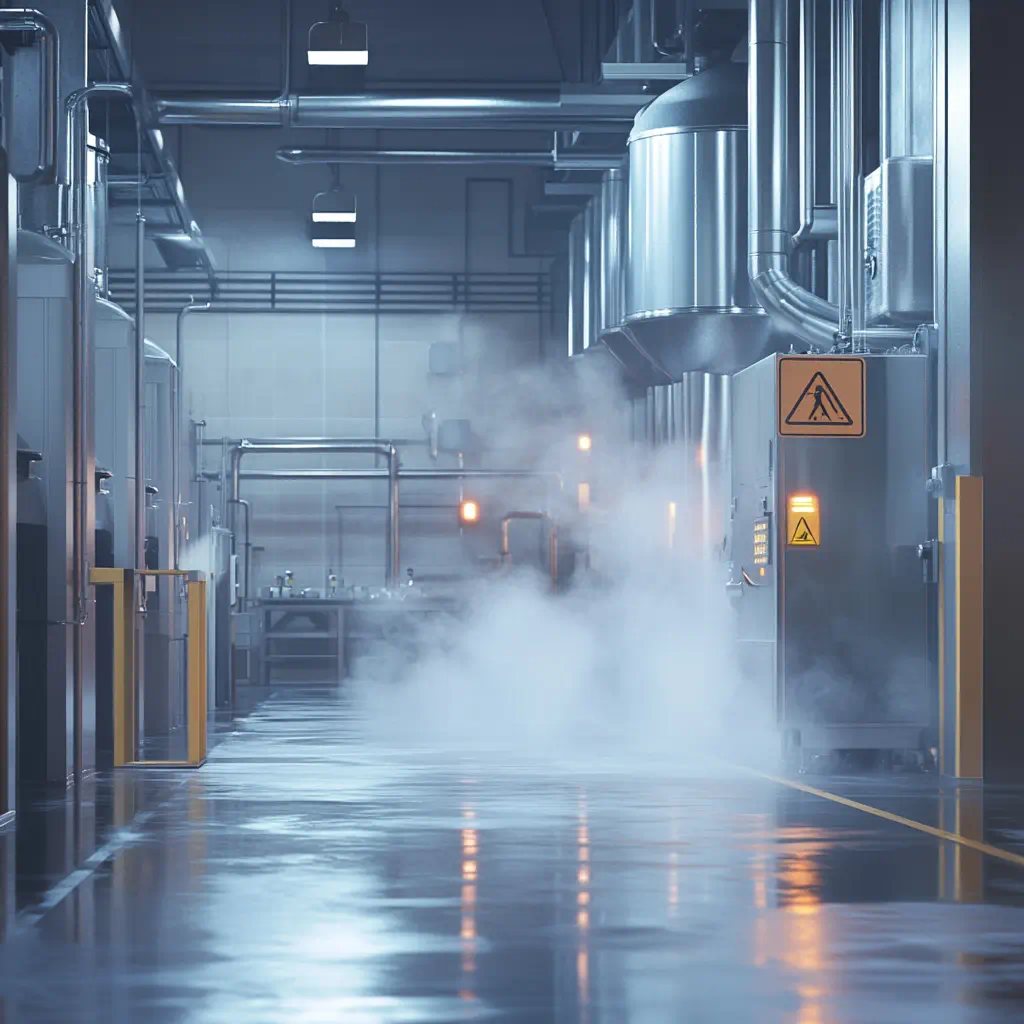
Cleaner, Safer, and More Compliant Operations Without the Chemicals
In the highly regulated world of food production, sanitation isn’t optional—it’s mission critical. A single oversight can result in contamination, lost product, regulatory fines, or even a full-scale recall. Traditionally, chemical disinfectants like chlorine or quaternary ammonium compounds (quats) have been the industry standard. But they come with risks: residues, worker safety concerns, and limited effectiveness in hard-to-reach areas.
Enter ozone—a naturally occurring molecule that’s emerging as a powerful and chemical-free disinfection solution for food processing plants across the country. At HS Ultra, we specialize in using ozone disinfection to help food processors meet USDA and FDA standards while improving safety, sustainability, and efficiency.
In this post, we’ll explain why ozone is a true game-changer for sanitation in food environments, how it works, and what makes it ideal for industrial use.
What Is Ozone and How Does It Work?
Ozone (O₃) is a molecule made up of three oxygen atoms. It’s a highly reactive oxidizer that breaks down organic matter, including bacteria, viruses, molds, and odors. When used for sanitation, ozone can be applied in gaseous form or as aqueous ozone (dissolved in water), depending on the application.
Unlike chemicals that work by coating or soaking surfaces, ozone penetrates the air and surfaces—reaching into corners, cracks, and porous materials. After it does its job, it simply breaks down into regular oxygen, leaving no harmful residues behind.
Why Food Processing Facilities Need Better Sanitation Tools
Food plants deal with a wide range of contamination risks, including:
- Bacterial threats like Listeria, Salmonella, and E. coli
- Mold and yeast in humid areas or cold storage
- Cross-contamination during production runs
- Persistent odors from processing, packaging, or animal products
High-moisture, temperature-variable environments are ideal breeding grounds for pathogens. And while chemical disinfectants are effective, they also introduce new challenges:
- Harsh fumes can require longer downtime
- Chemical residues may compromise food contact surfaces
- Overuse leads to microbial resistance
- Many substances are heavily regulated and require rinsing
With so much at stake, food processing managers are turning to ozone as a smarter, more scalable solution.
Gaseous Ozone vs. Aqueous Ozone in Food Plants
Gaseous Ozone is used to disinfect large spaces, air ducts, storage areas, and production lines during off-hours. It’s especially useful for:
- Post-shift sanitation
- Cold storage disinfection
- Odor control in processing plants
Aqueous Ozone is created by infusing ozone into cold water. It can be used in:
- Surface sanitation
- Tool and equipment rinses
- Conveyor belt cleaning
- Produce washing
At HS Ultra, we work with food facilities to design a custom ozone program that incorporates both forms depending on your space, product type, and regulatory needs.
Key Benefits of Ozone Disinfection in Food Processing
1. No Residue, No Rinse Required
Ozone naturally decomposes into oxygen, which means there’s no need to rinse surfaces after treatment. This saves water, reduces chemical runoff, and speeds up your cleaning process.
2. Kills a Broad Spectrum of Pathogens
Ozone is effective against bacteria, viruses, spores, molds, and yeasts. It has been shown to neutralize pathogens like:
- Listeria monocytogenes
- Salmonella enterica
- Escherichia coli (E. coli)
- Norovirus
- Mold spores like Aspergillus
3. Reaches Where Chemicals Can’t
Because ozone exists as a gas or infused water, it gets into small crevices, porous materials, and high-contact zones that typical spray-and-wipe methods miss.
4. Safe for Food Contact Surfaces
Aqueous ozone has FDA and USDA approval for use on food contact surfaces, including tools, prep areas, and conveyors. It’s non-toxic and won’t alter the flavor or integrity of the food.
5. Reduced Downtime and Faster Sanitation Cycles
Compared to chemical fogging or heavy sanitizing agents, ozone treatments require less ventilation and drying time. That means faster turnover between shifts and greater overall efficiency.
6. Sustainability & Compliance
Ozone reduces the need for harsh chemicals and rinsing water—supporting sustainability goals while maintaining full HACCP, USDA, and FDA compliance.
Real-World Applications in Food Plants
Whether you’re handling meat, dairy, produce, baked goods, or packaging, ozone can play a powerful role in:
- Sanitizing cold storage units and walk-ins
- Deodorizing rendering areas and waste zones
- Cleaning belts and processing tables
- Controlling Listeria in moist environments
- Preventing mold growth in dry storage
Our team at HS Ultra has helped processors throughout Wisconsin, Minnesota, Iowa, and beyond implement custom ozone disinfection systems that scale with production needs.
Installation & Consulting: What to Expect
At HS Ultra, we don’t just drop off equipment—we work with you from start to finish:
- On-site assessment to evaluate facility layout, air flow, moisture levels, and existing sanitation protocols
- Custom system design using fixed or mobile ozone delivery units tailored to your production environment
- Installation and calibration of ozone concentration levels, timers, and safety features
- Training and documentation for your sanitation and QA teams to ensure ongoing compliance and effectiveness
Whether you need periodic treatments or a fully integrated ozone disinfection system, we’ll build a solution that fits your schedule, budget, and industry regulations.
Is Ozone Safe?
When used by professionals, ozone is both safe and highly effective. Our systems include built-in sensors, timers, and ventilation protocols to ensure OSHA-compliant safety for your employees.
It’s important to work with an experienced provider like HS Ultra to properly measure and manage exposure levels—especially in occupied spaces or during ongoing production.
Final Thoughts: The Future of Sanitation Is Here
Ozone isn’t just a supplement to chemical disinfectants—it’s a smarter alternative that aligns with the food industry’s increasing demand for:
- Efficiency
- Eco-conscious practices
- Worker safety
- Pathogen control
If you’re ready to modernize your sanitation protocol and protect your facility from contamination risks, ozone could be the breakthrough you’ve been looking for.
Ready to upgrade your food plant’s sanitation strategy?
Contact HS Ultra today to schedule an on-site consultation or learn more about our ozone disinfection systems for commercial and industrial environments.


