
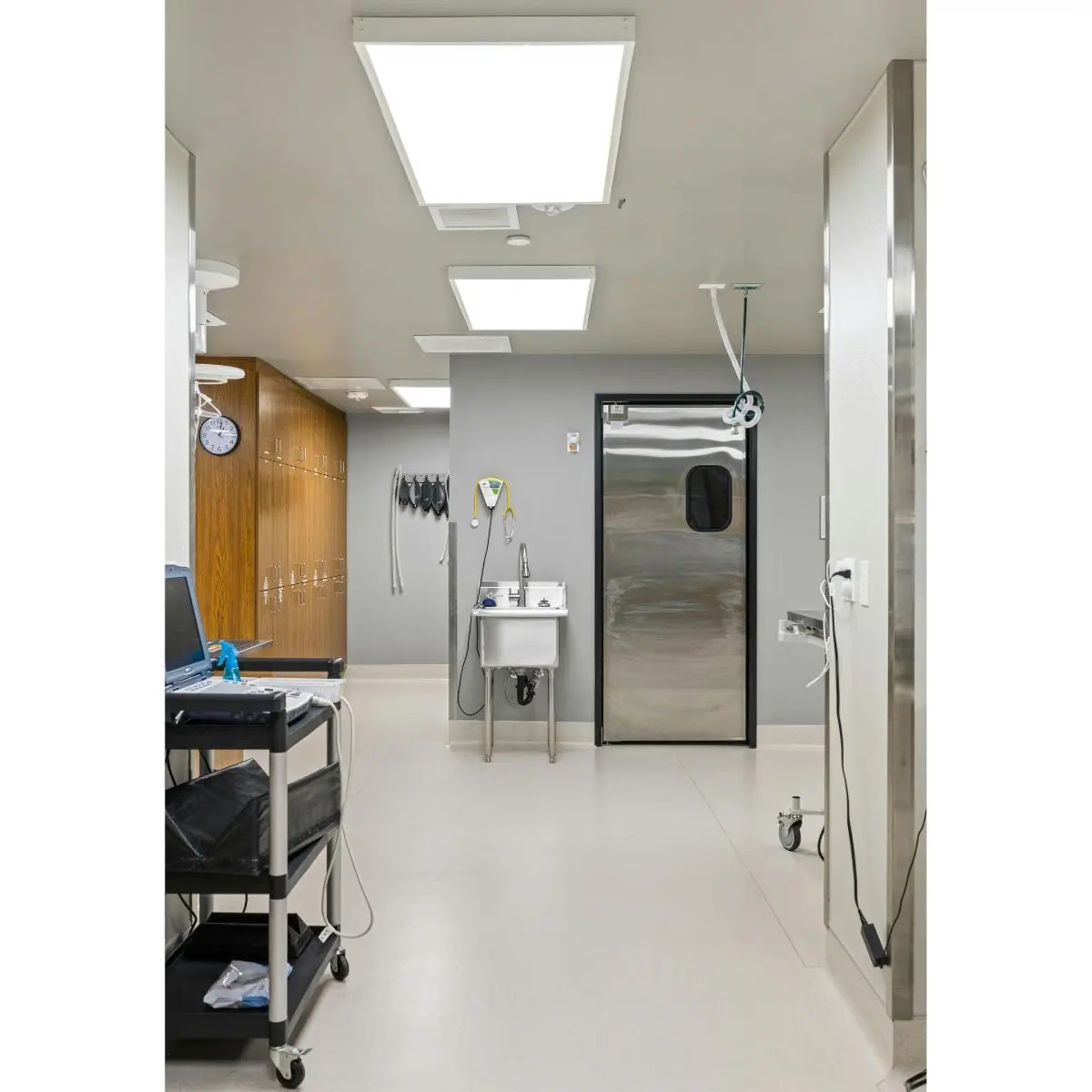

Maintaining a clean and safe industrial environment is no longer just about compliance—it’s about protecting the health of employees, customers, and the planet. Industrial facilities across the Upper Midwest, from food processing plants in Wisconsin to biotech labs in Minnesota and large-scale warehouses in North Dakota, face constant challenges from bacteria, viruses, mold, and other pathogens. Traditional chemical-based cleaning methods, while effective in some scenarios, carry their own set of health and environmental risks. From skin and respiratory irritation to chemical runoff and toxic waste, overreliance on harsh chemicals can create more problems than it solves.
This is where chemical-free disinfection technologies, including ultraviolet (UV) light systems, ozone cleaning, and aqueous ozone solutions, provide a safer, more sustainable alternative. These advanced methods not only achieve industrial-grade pathogen control but also significantly reduce environmental impact, improve employee safety, and support long-term facility sustainability. In this article, we’ll explore how chemical-free disinfection works, why it’s particularly suited to industrial environments, and the tangible benefits it brings to both businesses and communities.
Chemical-Free Industrial Disinfection: How It Works
Chemical-free disinfection technologies leverage physical and oxidative processes rather than relying on traditional chemical agents. Each method has unique advantages that make it well-suited to large industrial facilities.
UV Disinfection: Ultraviolet (UV-C) light is a powerful tool for killing bacteria, viruses, and fungi by disrupting their DNA or RNA, rendering them unable to reproduce. UV systems can be installed as HVAC coil retrofits, ceiling-mounted fixtures, or mobile units for targeted surface and air disinfection. HS Ultra’s patented handheld UV units allow operators to sanitize high-touch or sensitive areas that cannot be evacuated, ensuring pathogen control without interrupting operations.
Ozone Cleaning: Ozone (O₃) is a highly reactive molecule that oxidizes microbial cell walls and viral proteins. In gaseous form, ozone can penetrate into crevices and hard-to-reach surfaces where conventional cleaning cannot reach. It is effective in barns, cold storage facilities, and laboratories for deep disinfection without leaving chemical residues.
Aqueous Ozone: Aqueous ozone dissolves ozone gas into water, creating a potent, chemical-free cleaning solution that safely disinfects surfaces and equipment. Once applied, it rapidly breaks down into oxygen and water, leaving no toxic residues behind. This makes it ideal for food processing plants, pharmaceutical facilities, and controlled-environment operations where chemical contamination is a major concern.
By integrating these technologies into routine sanitation programs, industrial facilities can maintain a clean environment without relying on harsh chemical disinfectants, reducing occupational hazards and environmental burden.
Why Industrial Facilities Are Switching to Chemical-Free Disinfection
Industrial facilities face unique challenges that make chemical-free sanitation especially advantageous:
- Worker Safety: Employees in industrial environments are often exposed to cleaning chemicals for prolonged periods. Over time, exposure to bleach, quaternary ammonium compounds, and other harsh disinfectants can lead to respiratory irritation, skin rashes, eye irritation, and long-term health complications. Chemical-free solutions like UV and ozone minimize these risks while still delivering effective disinfection.
- Operational Efficiency: Harsh chemicals often require strict handling protocols, including personal protective equipment (PPE), specialized storage, and extended ventilation periods after cleaning. Chemical-free systems can often be used safely in occupied spaces or during short downtimes, improving workflow efficiency and reducing disruption to operations.
- Environmental Responsibility: Industrial facilities generate significant chemical waste each year. Chemical runoff from cleaning agents can contaminate water systems, soil, and surrounding ecosystems. Ozone and UV-based systems break down naturally, producing oxygen and leaving no hazardous residues, helping businesses meet sustainability goals and regulatory requirements.
- Compliance and Certification: Many industries, including food processing, pharmaceuticals, and biotechnology, are subject to strict regulatory oversight. Using chemical-free disinfection can support compliance with FDA, USDA, and GMP standards, ensuring safe and verified sanitation while minimizing chemical exposure risks.
Health Benefits Beyond the Facility
Beyond protecting employees and customers, chemical-free disinfection technologies contribute to broader public health benefits:
- Reduced Airborne Pathogens: UV systems integrated into HVAC units in warehouses, labs, and food processing plants help remove airborne microbes that traditional surface cleaning cannot reach. This is particularly important in facilities handling sensitive materials or high-density workspaces.
- Lower Cross-Contamination Risks: Gaseous ozone and handheld UV units allow deep cleaning of equipment, conveyors, and high-touch surfaces, reducing the risk of pathogen spread between workstations or product lines.
- Improved Indoor Air Quality: Unlike chemical disinfectants, which can release volatile organic compounds (VOCs) into the air, UV and ozone systems maintain clean air without irritating fumes. Healthier air supports employee productivity, lowers absenteeism, and promotes overall well-being.
Environmental Advantages of Chemical-Free Disinfection
Chemical-free disinfection also delivers measurable environmental benefits, particularly relevant for Upper Midwest facilities operating across multiple states, including Wisconsin, Minnesota, Iowa, and North Dakota:
- Elimination of Toxic Waste: Traditional cleaning chemicals require careful disposal to prevent environmental contamination. Ozone and UV-based systems eliminate this concern, breaking down naturally into harmless compounds.
- Reduced Water Contamination: Aqueous ozone and gaseous ozone systems significantly lower the amount of chemical runoff entering wastewater streams, protecting local water sources and aquatic life.
- Sustainable Operations: Facilities using chemical-free methods can reduce their carbon footprint by minimizing production, transportation, and disposal of chemical agents. This supports corporate sustainability initiatives and can even contribute to regulatory incentives or certifications.
- Eco-Friendly Compliance: Many states in the Upper Midwest enforce strict environmental regulations for industrial operations. Chemical-free disinfection helps facilities stay ahead of compliance mandates, reducing the risk of fines and reputational damage.
Industries That Benefit Most from Chemical-Free Disinfection
While chemical-free sanitation can be applied broadly, certain industries gain particular advantages from HS Ultra’s advanced technologies:
- Food Processing and Packaging Plants: Conveyor belt disinfection, surface cleaning, and HVAC retrofits reduce the risk of contamination without chemical residues that could affect product safety.
- Pharmaceutical and Nutraceutical Facilities: Aqueous ozone and UV systems provide residue-free sanitation for GMP-compliant production and lab-grade cleanrooms.
- Cannabis Grow Operations: Over-canopy UV and air-handling ozone treatments maintain plant health, prevent mold, and reduce chemical exposure in controlled environments.
- Cold Storage and Warehouses: HVAC UV and ozone treatments prevent mold growth, maintaining product quality and employee safety.
- Hospitals, Clinics, and Elder Care Facilities: Handheld UV units, HVAC coil retrofits, and room-level ozone treatments reduce pathogens while protecting patients and staff from chemical irritants.
By tailoring services to specific industrial needs, HS Ultra ensures that chemical-free disinfection is both effective and practical across diverse operations.
Implementing Chemical-Free Disinfection in Your Facility
Transitioning to chemical-free disinfection is straightforward with HS Ultra’s consulting and service programs:
- Assessment and Planning: Facility evaluations identify high-touch surfaces, HVAC systems, and sensitive areas. Custom sanitation plans ensure comprehensive coverage.
- Installation of Advanced Systems: UV, gaseous ozone, and aqueous ozone solutions are installed and calibrated to meet facility-specific needs.
- Training and Safety Alignment: Staff receive training on proper use and maintenance of new systems, ensuring safety and consistent application.
- Ongoing Maintenance and Monitoring: Recurring service programs and root cause analysis help facilities maintain optimal hygiene levels and prevent lapses in sanitation.
Facilities across Wisconsin, Minnesota, Iowa, and North Dakota can now implement chemical-free solutions without disrupting production or compromising employee safety. HS Ultra’s team works closely with facility managers to deliver measurable, long-lasting results.
Why Businesses Are Choosing HS Ultra
With industrial operations facing increasing scrutiny for both worker safety and environmental impact, choosing the right sanitation partner is critical. HS Ultra combines advanced technologies with expert consulting, recurring service programs, and hands-on support to ensure that chemical-free disinfection is practical, effective, and sustainable. From large food processing plants in Milwaukee and Minneapolis to biotech labs in Fargo and industrial warehouses in Des Moines, HS Ultra provides tailored solutions for Upper Midwest facilities that prioritize health, safety, and environmental responsibility.
Conclusion
Chemical-free industrial disinfection is more than just a “green” alternative—it’s a comprehensive strategy for protecting employees, customers, and the environment while maintaining regulatory compliance. UV, ozone, and aqueous ozone systems provide broad-spectrum pathogen control without the downsides of traditional chemical agents.
Facilities across the Upper Midwest—including Wisconsin, Minnesota, North Dakota, and Iowa—are realizing the benefits of these technologies, from safer working conditions to reduced environmental impact and operational efficiencies. By adopting chemical-free disinfection solutions, industrial operators can create healthier, more sustainable environments that safeguard people, products, and the planet.
HS Ultra’s advanced systems and consulting services make it simple to implement chemical-free sanitation programs, delivering peace of mind, measurable results, and a cleaner, safer workplace. For industrial operations seeking a modern, sustainable approach to pathogen control, chemical-free disinfection is the solution for today—and the future.


