
Every commercial and industrial facility faces an ongoing challenge: maintaining a clean, safe, and compliant environment. From offices and healthcare facilities to food processing plants and schools, it’s easy to assume that regular cleaning routines are sufficient. But appearances can be deceiving. Visible cleanliness does not always equate to true hygiene.
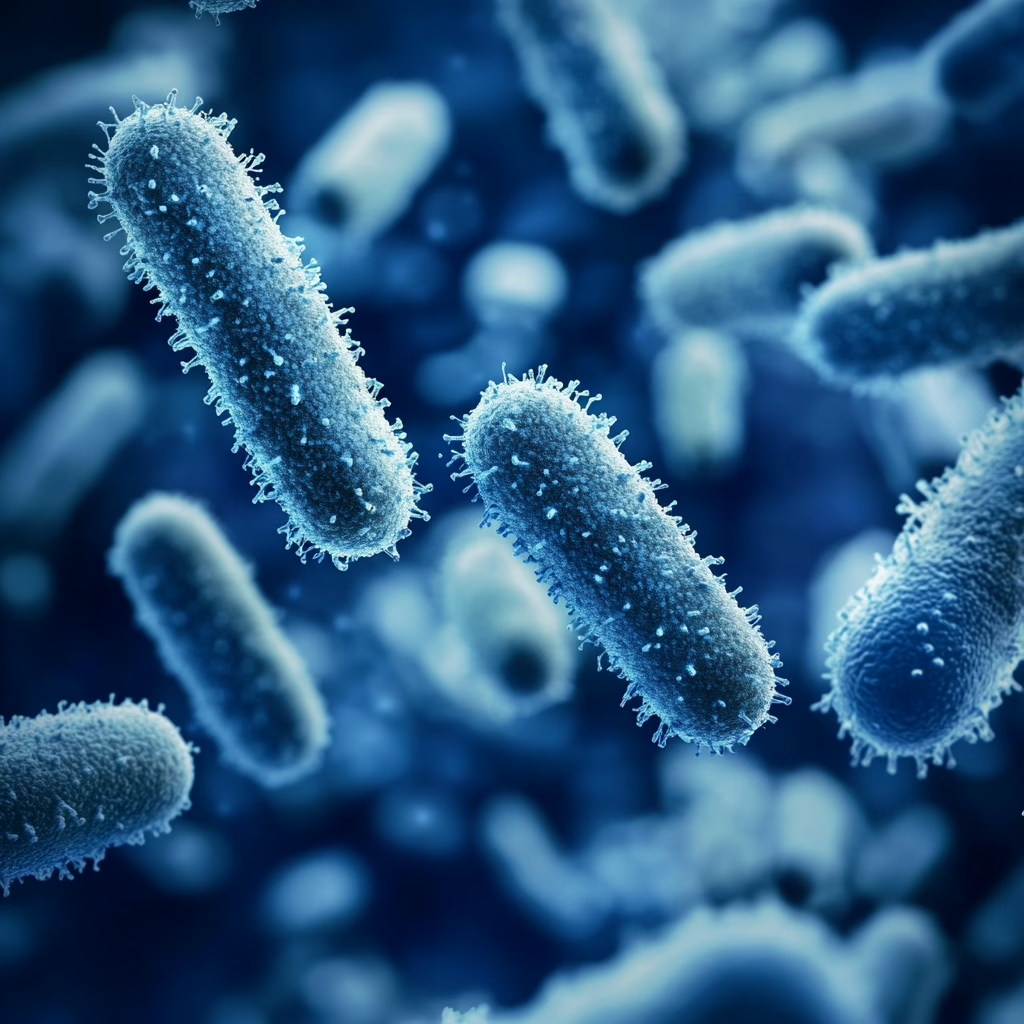
Bacteria, mold, viruses, allergens, and other pathogens can lurk on surfaces, in HVAC systems, and even in water systems. If left unchecked, these hidden contaminants can pose serious risks to employee health, customer safety, and operational continuity.
A professional hygiene audit helps facilities uncover these risks, providing actionable insights to improve sanitation, reduce the spread of disease, and protect both people and property.
What Is a Professional Hygiene Audit?
A professional hygiene audit is a comprehensive evaluation of a facility’s sanitation practices, environmental conditions, and potential microbial hazards. Conducted by trained experts, audits typically include:
- Surface testing: Swabbing high-touch areas, workstations, and communal spaces to measure microbial contamination.
- Air quality assessment: Evaluating HVAC systems, filtration efficiency, and airborne pathogen levels.
- Water system inspection: Testing water lines, faucets, and tanks for bacteria, mold, or other contaminants.
- Process review: Examining cleaning schedules, chemical usage, employee training, and sanitation protocols.
- Documentation review: Ensuring that hygiene practices comply with industry standards, regulatory requirements, and internal safety policies.
The goal is to provide a data-driven snapshot of a facility’s hygiene health and identify areas where improvements are needed.
Why Facilities Often Miss Critical Risks
Even the most diligent cleaning routines can leave gaps. Common pitfalls include:
- Focusing only on visible dirt: Regular dusting and mopping may remove surface debris, but bacteria and viruses can thrive on hidden surfaces.
- Overlooking HVAC systems: Airborne pathogens often circulate through poorly maintained heating and cooling systems. Dirty filters and coils can spread contaminants throughout a facility.
- Inconsistent cleaning protocols: Staffing changes, busy schedules, and human error can result in missed areas and uneven sanitation practices.
- Chemical overreliance: Using disinfectants without monitoring effectiveness can create a false sense of security. Improper chemical use can leave residues, irritate occupants, or fail to target the pathogens that matter most.
A professional hygiene audit identifies these vulnerabilities, providing objective data and guidance for improvement.
The Benefits of a Hygiene Audit
Investing in a professional hygiene audit delivers tangible benefits across multiple aspects of facility management:
1. Enhanced Safety for Employees and Customers
By identifying microbial hotspots and contamination pathways, audits help reduce the risk of illness among employees, customers, or patients. This is particularly critical in high-risk environments like healthcare facilities, food processing plants, and daycare centers, where pathogen exposure can have serious consequences.
2. Regulatory Compliance and Documentation
Many industries are subject to strict hygiene and sanitation regulations. A professional audit provides verified data and documentation that can support compliance with OSHA, USDA, FDA, or other regulatory bodies. Facilities that maintain audit records demonstrate due diligence during inspections and minimize liability in case of incidents.
3. Targeted Sanitation Strategies
Not all cleaning methods are equally effective. Hygiene audits reveal which areas require additional attention, which disinfectants are most effective, and where processes can be optimized. This allows facilities to focus resources where they matter most rather than applying a “one-size-fits-all” approach.
4. Cost Savings and Operational Efficiency
By optimizing cleaning protocols and chemical use based on audit results, facilities can reduce unnecessary labor and chemical costs. Targeted cleaning also minimizes wear on equipment and extends the lifespan of HVAC systems and surfaces, contributing to long-term operational savings.
5. Improved Reputation and Stakeholder Confidence
Clients, employees, and regulatory bodies value transparency and accountability. Demonstrating a commitment to professional hygiene through audits builds trust and reinforces a facility’s reputation as a safe and responsible environment.
How a Hygiene Audit Works in Practice
Professional hygiene audits typically follow a structured process:
Step 1: Pre-Audit Assessment
Auditors review facility plans, cleaning logs, and previous sanitation records. This helps establish baseline knowledge and identify areas of concern.
Step 2: On-Site Inspection
The audit team performs visual inspections, surface swabbing, and environmental monitoring. This includes:
- Swabs from high-touch areas like door handles, desks, counters, and break rooms.
- Air sampling to assess particulate matter, allergens, and microbial content.
- HVAC evaluation to check filter efficiency, coil cleanliness, and airflow patterns.
- Water system sampling to detect bacterial or fungal growth.
Step 3: Data Analysis and Reporting
Collected samples are analyzed in a lab to quantify microbial load and identify potential pathogens. The audit team generates a detailed report, highlighting:
- Areas with high contamination
- Ineffective cleaning or sanitation practices
- Recommendations for process improvement, chemical usage, or equipment upgrades
Step 4: Actionable Recommendations
Based on audit findings, facilities receive a customized plan to mitigate risks. This can include:
- Adjusted cleaning schedules
- Chemical-free interventions such as aqueous ozone or UV sanitation
- Employee training on hygiene best practices
- HVAC or water system maintenance suggestions
By following these recommendations, facilities can reduce microbial load, improve compliance, and enhance overall safety.
Why Chemical-Free Options Are Gaining Popularity
Chemical-free sanitation methods, such as UV and ozone systems, are becoming increasingly common in professional hygiene audits. These technologies provide several advantages:
- Safety: Reduce employee exposure to harsh chemicals.
- Effectiveness: Kill a broad spectrum of pathogens without leaving harmful residues.
- Sustainability: Lower environmental impact and simplify wastewater management.
- Compliance: Integrate seamlessly into HACCP plans or ISO hygiene protocols.
Facilities that adopt chemical-free interventions can meet the recommendations of hygiene audits more easily while improving worker safety and operational efficiency.
How to Choose a Hygiene Audit Provider
Selecting the right audit provider is critical to obtaining actionable results. Facilities should consider:
- Experience and expertise: Look for providers with proven experience in your industry.
- Data-driven methodology: Ensure audits include laboratory analysis, not just visual inspections.
- Actionable recommendations: Reports should offer clear, prioritized steps for improvement.
- Follow-up support: Providers should help implement recommendations and validate effectiveness.
A professional, credible audit ensures facilities receive more than just a checklist—it provides a roadmap to safer, cleaner, and more efficient operations.
Making Hygiene Audits a Routine Practice
Facilities that conduct hygiene audits proactively benefit from early detection of contamination risks, which prevents costly outbreaks or regulatory violations. Best practices include:
- Scheduling audits regularly (annually or semi-annually) to track trends.
- Combining audits with environmental monitoring for continuous improvement.
- Integrating audit findings into employee training and SOPs.
- Using audits to justify investment in new sanitation technologies or workflow improvements.
Routine hygiene audits transform cleaning from a reactive process into a strategic risk management tool.
Final Thoughts
In today’s environment, visible cleanliness alone is insufficient. Professional hygiene audits provide the data, insight, and guidance needed to maintain truly safe and compliant facilities. By identifying hidden microbial risks, optimizing cleaning protocols, and integrating modern sanitation technologies—including chemical-free options—facilities can:
- Protect employees and visitors from pathogens
- Reduce chemical exposure and related health risks
- Enhance compliance with regulatory standards
- Improve operational efficiency and reduce costs
- Strengthen reputation and stakeholder confidence
Whether you operate a healthcare clinic, food processing plant, or office complex, a professional hygiene audit is a strategic investment in safety, compliance, and long-term operational success.
Don’t wait until a problem arises—proactive audits help facilities stay ahead of contamination risks, protect people and product, and create environments that are not just clean, but truly hygienic.


