
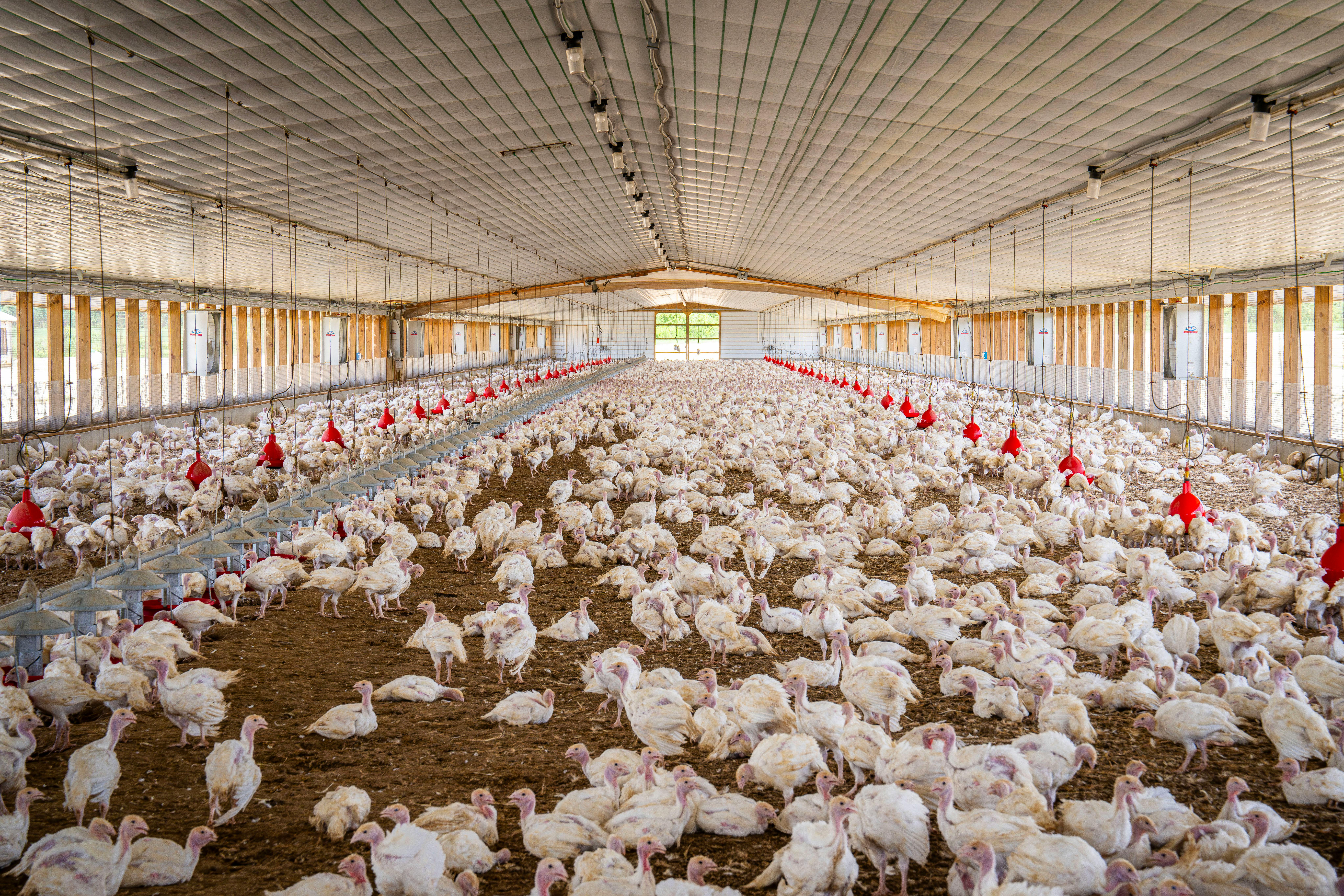
Facing Modern Challenges in Animal Production
Modern animal agriculture and aquaculture face a growing set of challenges. Producers must meet stricter regulations, improve sustainability, prevent disease outbreaks, and increase productivity all at the same time. Traditional methods no longer solve these problems efficiently. Ozone technology in animal agriculture provides a powerful alternative by giving producers a sustainable, effective way to manage barns, protect animal health, and improve aquaculture systems.
Issues in Livestock and Aquaculture Industries
Livestock producers face rising expectations around animal welfare, increasing demand for antibiotic-free products, and pressure to reduce environmental impact. Operations must manage methane emissions, control waste, and prevent disease while maintaining profitability.
Aquaculture producers face similar pressure. High stocking densities quickly degrade water quality and accelerate disease transmission. Climate change further stresses aquatic ecosystems. To sustain market growth, producers increasingly rely on ozone water treatment for aquaculture and aqueous ozone for animal health to maintain stable, healthy production environments.
Limitations of Traditional Disinfection and Water Treatment Methods
Most barns and aquaculture facilities rely on chemical disinfectants and mechanical filtration. These approaches often leave chemical residues, create safety risks, and lose effectiveness in high-organic environments. In aquaculture systems, filtration alone cannot fully remove pathogens, dissolved organic compounds, or biofilms.
As a result, producers actively seek chemical-free disinfection alternatives, including ozone disinfection in barns and integrated ozone biosecurity systems for farms.
Introducing Ozone: A Sustainable Disinfection Solution for Animal Production
Ozone (O₃) delivers fast, residue-free disinfection. As a powerful oxidizer, ozone destroys bacteria, viruses, fungi, and protozoa, then safely converts back into oxygen. Producers use ozone to disinfect air, water, and surfaces without introducing harmful byproducts.
By applying aqueous ozone in animal agriculture, producers gain precise control over sanitation while supporting sustainable livestock and aquaculture operations.
The Effectiveness of Aqueous Ozone (Ozonated Water)
Aqueous ozone, or ozonated water, forms when systems dissolve ozone gas into water. Producers use it for livestock water treatment, surface sanitation, and aquaculture water purification. Aqueous ozone delivers rapid pathogen reduction without leaving chemical residue, making it ideal for high-biosecurity applications.
Transforming Aquaculture with Ozone Water Treatment
- Advanced Aquaculture Water Treatment
Ozone water treatment for aquaculture improves clarity, reduces dissolved organic carbon, eliminates pathogens, and removes ammonia and hydrogen sulfide. These improvements stabilize water conditions in hatcheries, grow-out systems, and recirculating aquaculture systems.
- Disease Prevention in Fish and Shrimp Farming
Producers use ozone to continuously reduce pathogen loads in aquaculture systems. This proactive approach lowers mortality rates, decreases antibiotic dependence, and improves overall fish and shrimp health.
- Controlling Biofilms in RAS Systems
Biofilms restrict water flow and harbor harmful microorganisms. Ozone in recirculating aquaculture systems (RAS) penetrates biofilm structures, disrupts microbial communities, and preserves system efficiency.
- Enhancing Aquaculture Sustainability and Efficiency
Healthier aquatic animals grow faster, convert feed more efficiently, and survive at higher rates. Ozone supports these outcomes while reducing chemical use and environmental impact. Producers use ozone to meet sustainability goals and regulatory requirements.
Economic and Operational Benefits of Ozone Technology
- Improved Animal Health and Productivity
By maintaining clean environments and pathogen-free water, ozone technology in animal agriculture directly improves animal health, growth performance, and welfare while reducing veterinary intervention.
- Cost Savings and ROI
Producers reduce chemical purchases, lower mortality rates, improve feed conversion, and decrease labor demands. These gains generate strong and measurable returns on ozone system investments.
- Environmental Compliance and Food Safety
Ozone helps producers meet environmental regulations by eliminating chemical residues and improving effluent quality. It also strengthens food safety programs by reducing pathogen contamination throughout production systems.
Implementing Ozone Systems in Animal Agriculture
Successful ozone implementation starts with proper system design, professional installation, and clear safety protocols. Producers must integrate ozone systems with existing infrastructure, monitor performance, and train staff to ensure safe and effective operation.
The Future of Ozone Technology in Animal Agriculture
Ozone technology in animal agriculture drives a clear shift toward cleaner, healthier, and more sustainable production systems. From ozone disinfection in barns to ozone water treatment for aquaculture, ozone gives producers direct control over biosecurity, animal health, and environmental performance.
As livestock and aquaculture industries expand, ozone-based solutions offer a strategic advantage. Producers who adopt ozone today position their operations for long-term resilience, efficiency, and sustainability.
Ready to Explore Ozone Solutions for Your Operation?
If you’re interested in learning how ozone technology in animal agriculture can improve biosecurity, animal health, water quality, and operational efficiency at your facility, we’d love to continue the conversation.
Visit our website to learn more about our ozone solutions, or schedule a call with our team to discuss your specific application, challenges, and goals. Together, we can evaluate how ozone can support a cleaner, healthier, and more sustainable future for your operation.


