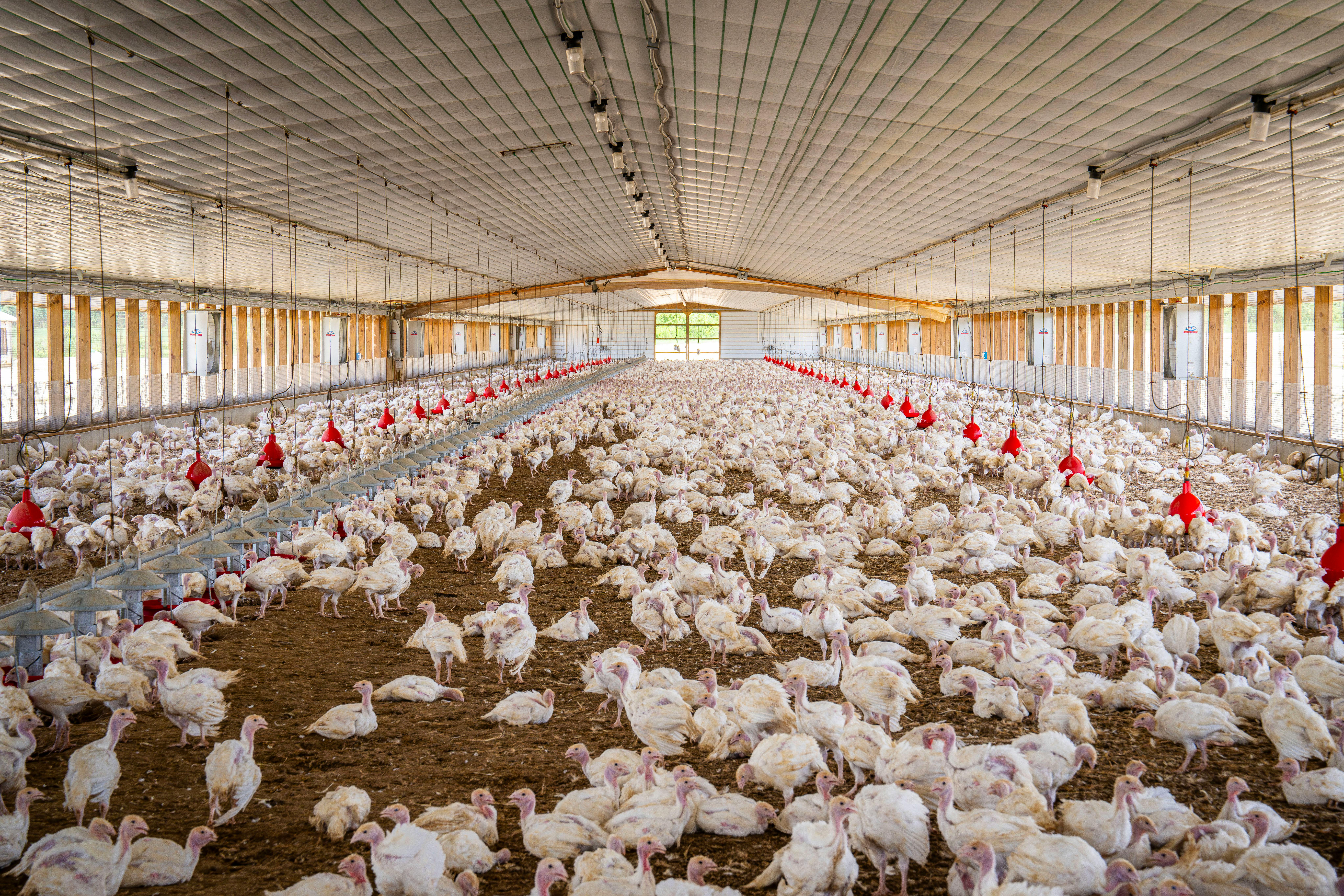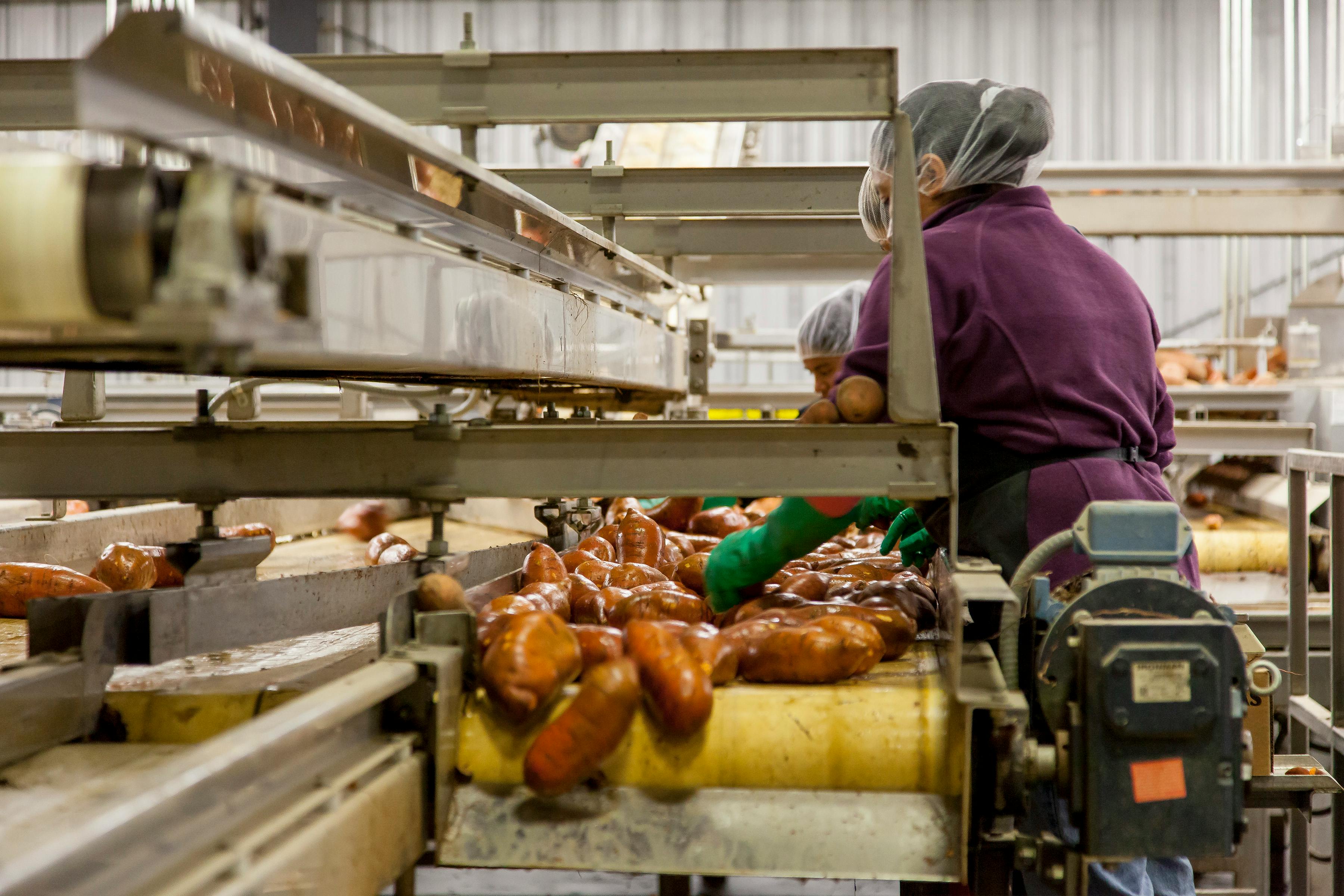
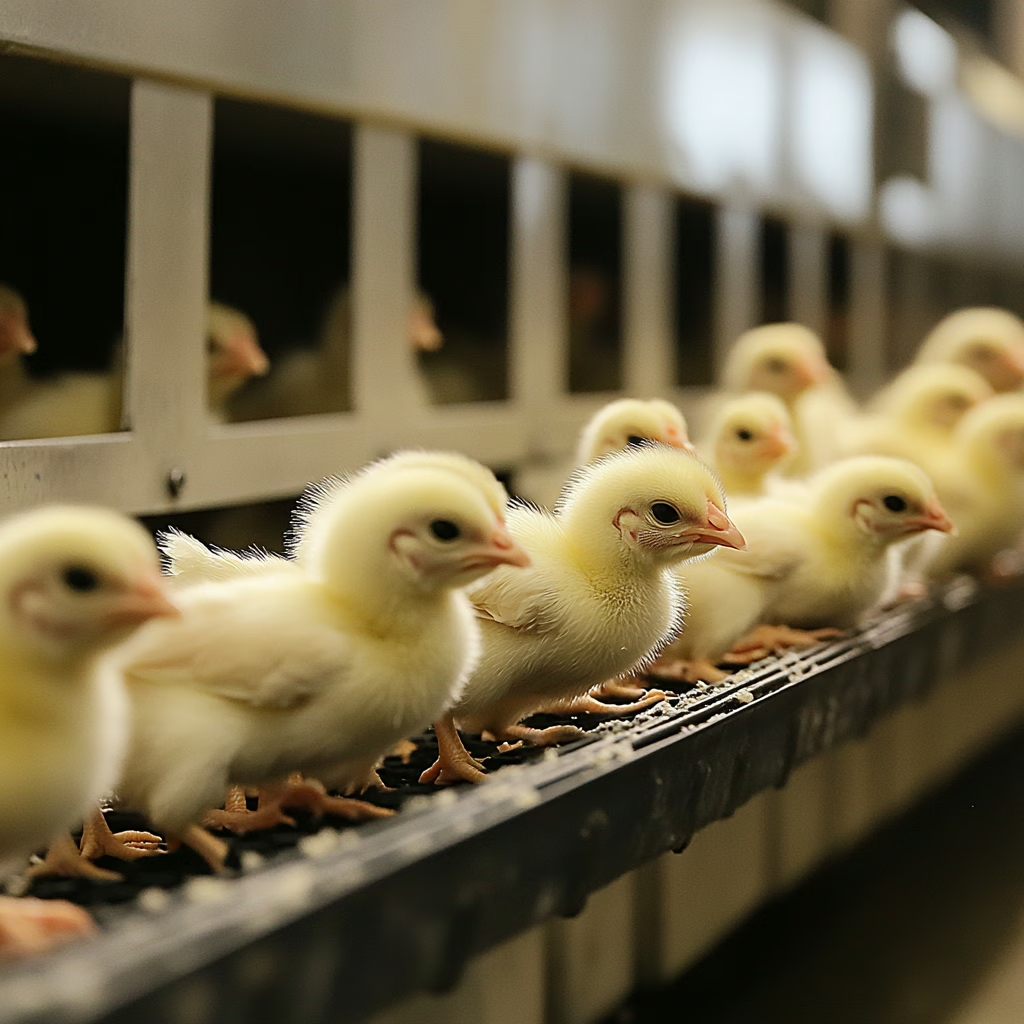
Poultry hatcheries are essential links in the food supply chain, producing day-old chicks that will eventually enter processing plants and grocery stores. Maintaining strict hygiene in these facilities is critical—not just for product quality, but also for worker safety, regulatory compliance, and operational efficiency.
Traditional sanitation practices in hatcheries have relied heavily on chemicals such as acetic acid, chlorine dioxide, or peracetic acid. While these chemicals can be effective at controlling microbial contamination, they introduce multiple challenges:
- Worker safety risks: Chemical exposure can cause respiratory irritation, skin burns, and eye damage, particularly in confined hatchery spaces.
- Product integrity concerns: Residual chemicals on surfaces or equipment can interact with eggs or chicks, potentially affecting health or performance.
- Environmental impact: Chemical runoff into wastewater requires careful handling and adds to disposal costs, creating environmental compliance obligations.
- High operational costs: Repeated chemical purchases, storage, and handling contribute to rising OPEX.
As a result, hatchery managers are increasingly seeking innovative sanitation solutions that deliver microbial control while reducing chemical dependence, protecting workers, and safeguarding product quality.
Aqueous Ozone: The Chemical-Free Alternative
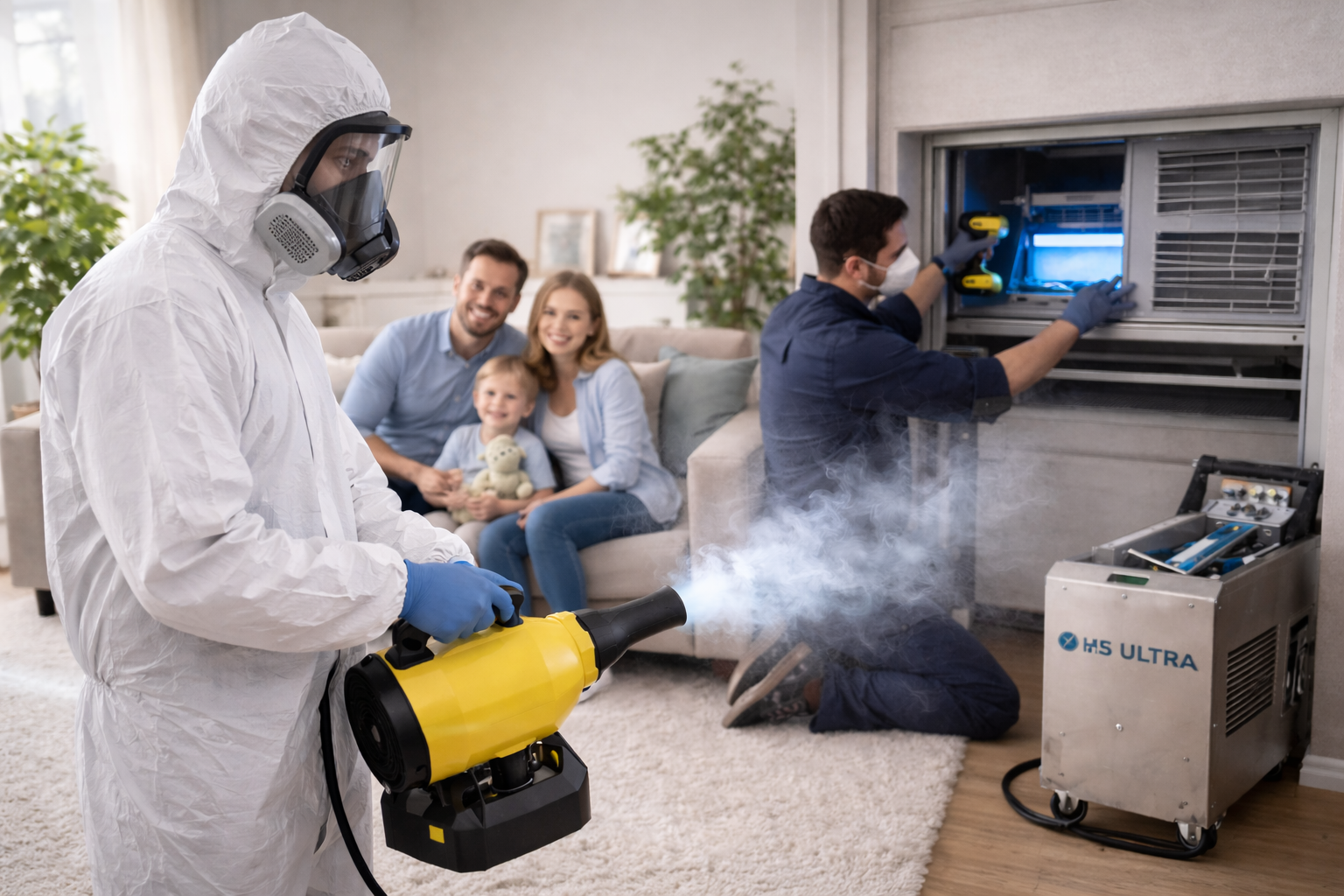
HS Ultra has pioneered the use of aqueous ozone (AO) in hatcheries as a safe and effective replacement for traditional chemical disinfectants. AO is simply ozone gas dissolved in water, forming a highly reactive oxidizing agent that kills bacteria, viruses, and mold without leaving harmful residues.
How Aqueous Ozone Works
- Powerful microbial reduction: AO targets pathogens at the cellular level, disrupting membranes and preventing reproduction.
- Chemical-free sanitation: Breaks down naturally into oxygen and water, leaving no toxic residues on equipment or surfaces.
- Worker safety: Reduced exposure to harsh chemicals means a safer working environment, particularly in confined hatchery areas.
- Seamless integration: AO systems can be integrated into existing cleaning workflows, including CIP (clean-in-place) lines and surface sanitation protocols.
By adopting AO, hatcheries can achieve the same—or superior—sanitation levels as traditional chemicals while minimizing risks to workers and birds.
Protecting Hatchery Workers
Worker safety is a central concern in hatchery operations. Manual application of strong chemicals often exposes employees to vapors, splashes, and aerosols. Even with personal protective equipment (PPE), prolonged exposure can lead to health issues such as respiratory irritation, headaches, or skin reactions.
Chemical-free AO systems eliminate these risks:
- Reduced inhalation hazards: No toxic fumes or off-gassing are present in the work environment.
- Minimized skin contact: Handling water-based ozone solutions is safer than concentrated acids or oxidizers.
- Lower long-term health risks: Continuous use of AO helps prevent chronic exposure-related issues among hatchery staff.
Facilities that prioritize chemical-free sanitation also improve employee satisfaction and reduce absenteeism related to chemical exposure, creating a healthier, more productive workforce.
Protecting the Product: Eggs and Chicks
Hatcheries face unique challenges when it comes to microbial control because eggs and chicks are highly sensitive to contamination. Traditional chemicals, while effective at killing pathogens, can also leave residues that interact with surfaces or equipment, potentially impacting chick health.
Aqueous ozone protects product quality in several ways:
- No chemical residues: AO oxidizes pathogens without leaving harmful residues that could contact eggs or chicks.
- Maintains hatchery environment integrity: Ozone decomposes quickly, leaving water and oxygen behind, reducing the risk of unintended chemical interactions.
- Supports pathogen control: AO treatments target common microbial contaminants, including Salmonella, E. coli, and mold spores, without harming the product.
By using AO, hatcheries can achieve a safer, cleaner environment for both workers and birds, reducing contamination risks and improving overall product integrity.
Operational Benefits of Chemical-Free Cleaning
Beyond worker safety and product protection, AO offers substantial operational advantages for hatcheries:
1. Reduced Chemical Costs
Eliminating chemical-based disinfectants reduces recurring expenses for purchase, storage, and disposal. Facilities also save on PPE costs and chemical handling labor.
2. Simplified Workflows
AO systems can be installed inline with existing cleaning protocols, minimizing disruption to daily operations. Automated dosing and application systems reduce manual labor and the potential for human error.
3. Lower Environmental Impact
AO decomposes into oxygen and water, eliminating hazardous wastewater byproducts and reducing regulatory compliance burdens. Hatcheries can meet environmental standards while aligning with sustainability initiatives.
4. Compliance Assurance
With increasing scrutiny from regulatory bodies like the USDA and state environmental agencies, chemical-free solutions provide verifiable sanitation without chemical residues. AO systems can be monitored, documented, and integrated into HACCP plans, providing a defensible record of sanitation practices.
Overcoming Common Adoption Challenges
While the benefits of AO are clear, facilities may encounter adoption challenges:
- Initial capital investment: Implementing ozone generation systems requires an upfront cost. However, the ROI in reduced chemical purchases and lower infrastructure maintenance quickly offsets the initial investment.
- Training and workflow integration: Employees need to understand how AO systems work and how to integrate them into existing cleaning protocols. HS Ultra provides comprehensive training and workflow support to ensure smooth adoption.
- Monitoring and verification: Continuous monitoring ensures ozone concentrations remain effective without overuse. Real-time data logging and verification protocols help facilities maintain compliance and performance.
With proper planning, these challenges are manageable, and the long-term benefits far outweigh the transition costs.
Future-Proofing Hatchery Sanitation
Chemical-free sanitation isn’t just a trend—it’s a strategic investment in future compliance and operational resilience. As regulatory standards tighten and consumer demand for safe, chemical-free products rises, hatcheries that adopt AO systems position themselves as leaders in food safety and sustainability.
Key advantages for future-proofing include:
- Scalable solutions: AO systems can expand with facility growth or increased production demands.
- Continuous compliance: Provides verifiable records for USDA inspections, audits, and customer verification.
- Resilience against outbreaks: Effective pathogen control reduces the risk of Salmonella, E. coli, and mold-related issues.
- Worker retention and satisfaction: Safer work environments contribute to employee morale and reduce turnover.
By taking a proactive approach, hatcheries can stay ahead of industry trends, protect workers, and deliver the highest quality product to market.
Best Practices for Implementing Chemical-Free Sanitation
Hatcheries considering AO systems should follow a structured approach:
- Conduct a site assessment: Identify high-risk areas, equipment, and workflows that require sanitation.
- Design AO integration: Determine system size, placement, and dosing strategy tailored to production capacity.
- Train employees: Ensure staff understand the system, safety protocols, and monitoring requirements.
- Implement verification protocols: Regular microbial testing and ozone monitoring confirm efficacy.
- Document results: Maintain records for USDA inspections and internal quality control.
Following these steps ensures a smooth transition to chemical-free sanitation with measurable benefits.
Conclusion
Protecting workers and product quality in hatcheries doesn’t have to come at the expense of safety, efficiency, or compliance. HS Ultra’s chemical-free aqueous ozone solutions provide an effective, sustainable alternative to traditional chemical disinfectants, offering multiple benefits:
- Safer working environments with reduced chemical exposure
- Enhanced product integrity and pathogen control
- Reduced chemical costs and OPEX
- Lower CAPEX associated with infrastructure expansion
- Verifiable compliance with USDA and environmental regulations
By embracing innovative sanitation methods, hatcheries can achieve true operational resilience, safeguarding both their workforce and the next generation of poultry products. Chemical-free cleaning isn’t just safer—it’s smarter.
Facilities looking to implement chemical-free sanitation should reach out to HS Ultra to design a tailored AO system that meets their unique workflow, capacity, and compliance needs. The future of hatchery hygiene is safe, efficient, and chemical-free.