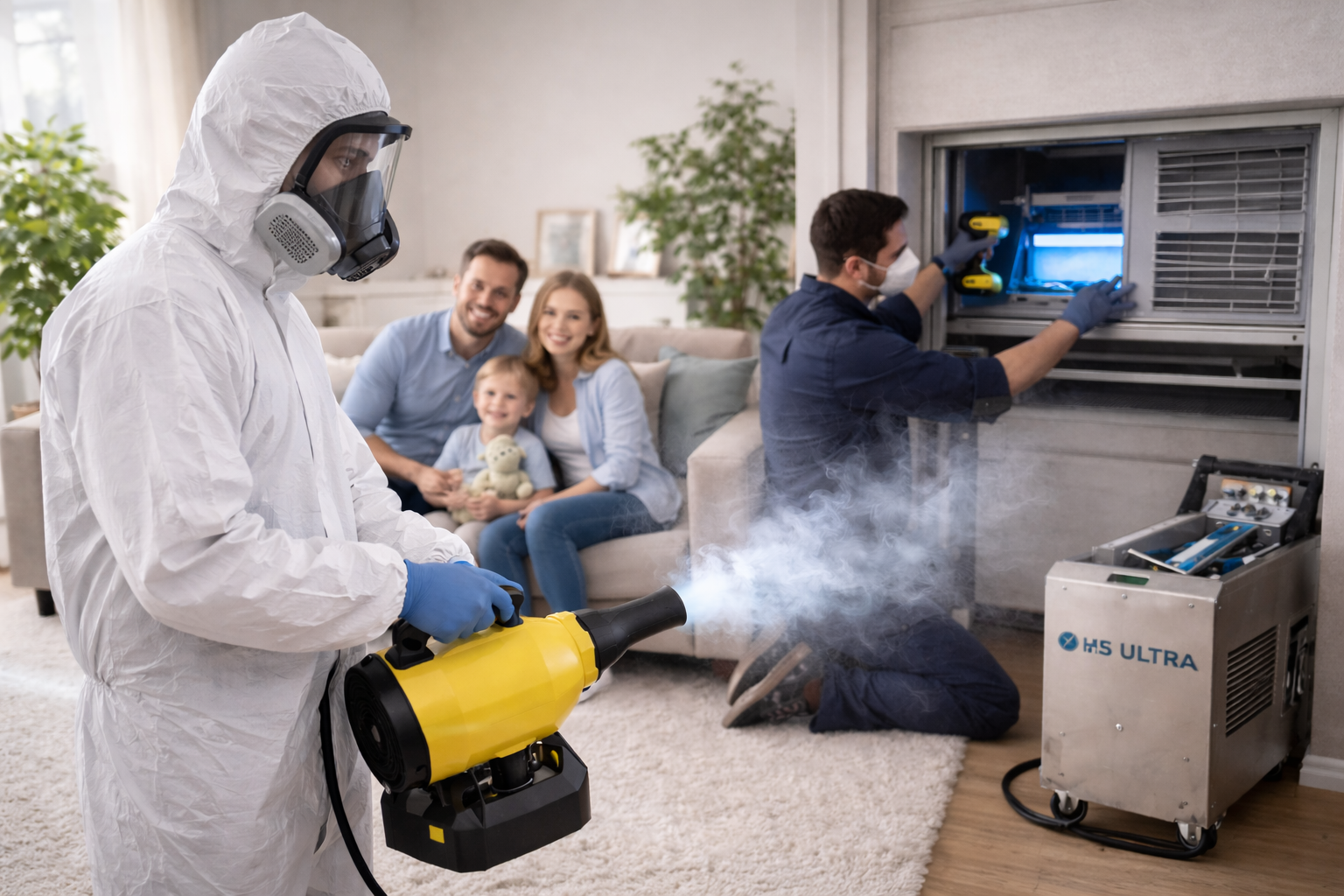
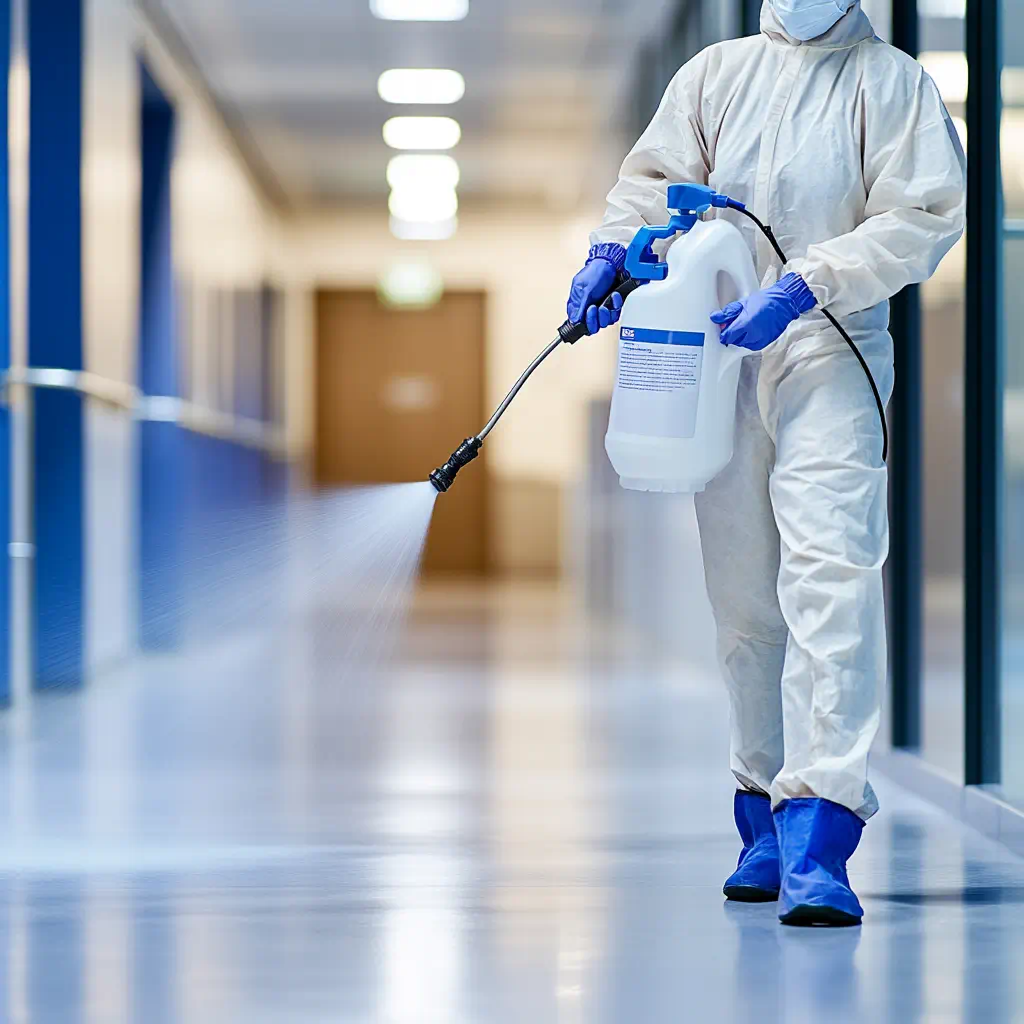
Maintaining a clean and safe environment in healthcare settings is not optional—it’s essential. Hospitals, clinics, and other medical facilities face constant threats from bacteria, viruses, mold, and other pathogens. Traditional cleaning methods often rely heavily on harsh chemical disinfectants, which, while effective, carry their own risks. These chemicals can irritate skin, respiratory systems, and even leave residues on surfaces that may compromise patient safety.
Fortunately, advances in technology have introduced aqueous ozone as a hospital-grade, chemical-free disinfectant. This innovative solution provides the same high-level pathogen control as traditional chemicals but with far fewer health and environmental risks. In this article, we’ll explore how aqueous ozone works, why it’s effective in healthcare settings, and how it can protect both patients and staff.
What Is Aqueous Ozone?
Aqueous ozone (AO) is ozone gas dissolved in water. Ozone (O₃) is a highly reactive molecule composed of three oxygen atoms. Its strong oxidizing properties allow it to neutralize bacteria, viruses, fungi, and other contaminants almost instantly. Once it completes its disinfection work, ozone naturally decomposes into oxygen and water, leaving no harmful residues behind.
Unlike traditional chemical disinfectants like bleach or quaternary ammonium compounds, aqueous ozone does not produce toxic fumes or require specialized handling. This makes it ideal for sensitive healthcare environments where patient safety and UV-based pathogen control are paramount.
Why Hospitals Need Better Disinfection
Healthcare-associated infections (HAIs) remain a serious concern. According to the CDC, 1 in 31 hospital patients acquires at least one HAI during their stay. These infections can include:
- Methicillin-resistant Staphylococcus aureus (MRSA)
- Clostridioides difficile (C. diff)
- E. coli and other gram-negative bacteria
- Norovirus and influenza viruses
Traditional cleaning practices, while useful, have limitations:
- Chemical residues can linger on surfaces, creating unintended patient exposure.
- Harsh chemicals can irritate staff and patients alike, particularly those with respiratory sensitivities.
- Some pathogens can survive in hard-to-reach areas or under biofilms, where standard cleaning may not reach.
Aqueous ozone addresses these issues by providing effective, residue-free, and penetrating disinfection.
How Aqueous Ozone Protects Patients
1. Broad-Spectrum Pathogen Elimination
Aqueous ozone is effective against a wide range of microorganisms, including bacteria, viruses, fungi, and mold. It works by oxidizing bacterial cell walls and disrupting viral protein structures, rendering pathogens inactive. This rapid action reduces the risk of cross-contamination, critical in hospitals, clinics, and outpatient facilities.
2. Safe for Sensitive Environments
Because it’s chemical-free, aqueous ozone is safe to use in areas occupied by patients, including patient rooms, operating theaters, recovery areas, and children’s wards. Unlike traditional chemicals, it doesn’t leave irritating residues or strong odors, making it suitable for respiratory-compromised patients, children, and the elderly.
3. Reaches Hard-to-Clean Areas
Hospitals have numerous equipment surfaces and hidden spaces that are difficult to sanitize effectively. Aqueous ozone can penetrate bed rails, side tables, medical equipment, keyboards, phones, monitors, sinks, and faucet handles, ensuring a thorough clean beyond standard spray-and-wipe methods.
4. Reduces Environmental Impact
Aqueous ozone breaks down naturally into oxygen and water, producing no chemical waste or harmful runoff. Hospitals generate significant chemical waste annually; switching to AO can reduce the environmental footprint while maintaining FDA and EPA compliance.
5. Improves Staff Safety
Prolonged exposure to chemical disinfectants can lead to skin irritation, respiratory issues, and eye discomfort for hospital staff. Aqueous ozone mitigates these risks:
- No strong fumes or aerosols
- Minimal protective equipment required
- Safer handling and storage
By protecting staff health, facilities can reduce sick days and improve morale, all while maintaining high disinfection standards.
Applications of Aqueous Ozone in Healthcare
Aqueous ozone can be applied in several ways to maintain hospital-grade sanitation:
Surface Cleaning: Applied to patient beds, counters, and other surfaces, AO ensures bacteria and viruses are neutralized quickly, reducing downtime between room turnovers.
Equipment Sanitization: Medical equipment like IV stands, monitors, and surgical trays can be safely sanitized without corrosive chemicals, preserving their longevity.
Laundry and Linens: AO can sanitize bedding, gowns, and towels without harsh detergents, minimizing chemical exposure to patients.
UV Light Integration: In addition to surface disinfection, UV light systems can supplement pathogen control in occupied areas, enhancing continuous protection without chemical exposure.
Comparing Aqueous Ozone to Traditional Chemicals
| Feature | Aqueous Ozone | Traditional Chemicals |
| Pathogen Kill Rate | Broad-spectrum, rapid | Broad-spectrum, variable contact time |
| Residue | None | Often requires rinsing |
| Odor | None | Can leave strong chemical smell |
| Surface Compatibility | Safe on most surfaces | Can corrode or discolor |
| Staff Safety | Minimal PPE | PPE required for prolonged use |
| Environmental Impact | Eco-friendly | Chemical runoff and disposal needed |
As shown, AO offers comparable or superior disinfection while improving safety for patients and staff.
Real-World Success in Healthcare
Hospitals and clinics using aqueous ozone have reported reduced infection rates, faster room turnover, lower chemical storage costs, and positive feedback from staff and patients regarding safety and UV-based disinfection quality. These results demonstrate that AO is a practical, effective, and efficient solution for modern healthcare sanitation.
Implementing Aqueous Ozone in Your Facility
Transitioning to aqueous ozone is straightforward:
- Assessment: Evaluate current cleaning protocols, high-touch surfaces, and patient flow.
- System Installation: Set up aqueous ozone generators tailored to facility size and needs.
- Staff Training: Ensure consistent, safe application of AO.
- Monitoring and Maintenance: Regularly test ozone concentrations and maintain equipment for optimal performance.
HS Ultra supports healthcare facilities across Wisconsin, the Upper Midwest, and select neighboring states with customized disinfection plans designed for maximum safety and compliance. Residential clients within 100 miles of Cameron, WI, as well as in the full Twin Cities area and periodically in North Dakota, can also benefit from our safe, eco-friendly cleaning services.
Final Thoughts
Hospital-grade disinfection doesn’t require harsh chemicals. Aqueous ozone offers a safe, effective, and environmentally friendly alternative, protecting patients, staff, and facilities while enhancing indoor air safety. By adopting AO and UV-based disinfection, healthcare environments can maintain cleaner, safer spaces without compromising patient or staff health.