When you walk into a clean space—whether it’s a home, clinic, or office—you probably assume the air you’re breathing is just as fresh as the surfaces you can see. But appearances can be deceiving. A recent indoor hygiene report conducted by HS Ultra at a Wisconsin medical clinic revealed something eye-opening: even in facilities that look spotless, hidden microbial threats can be quietly circulating through the air.
Indoor cleanliness isn’t just about shiny countertops or disinfected door handles—it’s about the unseen environment that surrounds you. The air you breathe, the vents above your head, and the HVAC system quietly humming in the background all play major roles in your health and comfort. And when those systems go unchecked, they can become silent reservoirs for bacteria, mold, and allergens.
This is exactly what HS Ultra’s investigation uncovered—and it’s a wake-up call for every homeowner and business that relies on forced-air systems to stay comfortable.
What Indoor Hygiene Reports Reveal About “Clean” Spaces
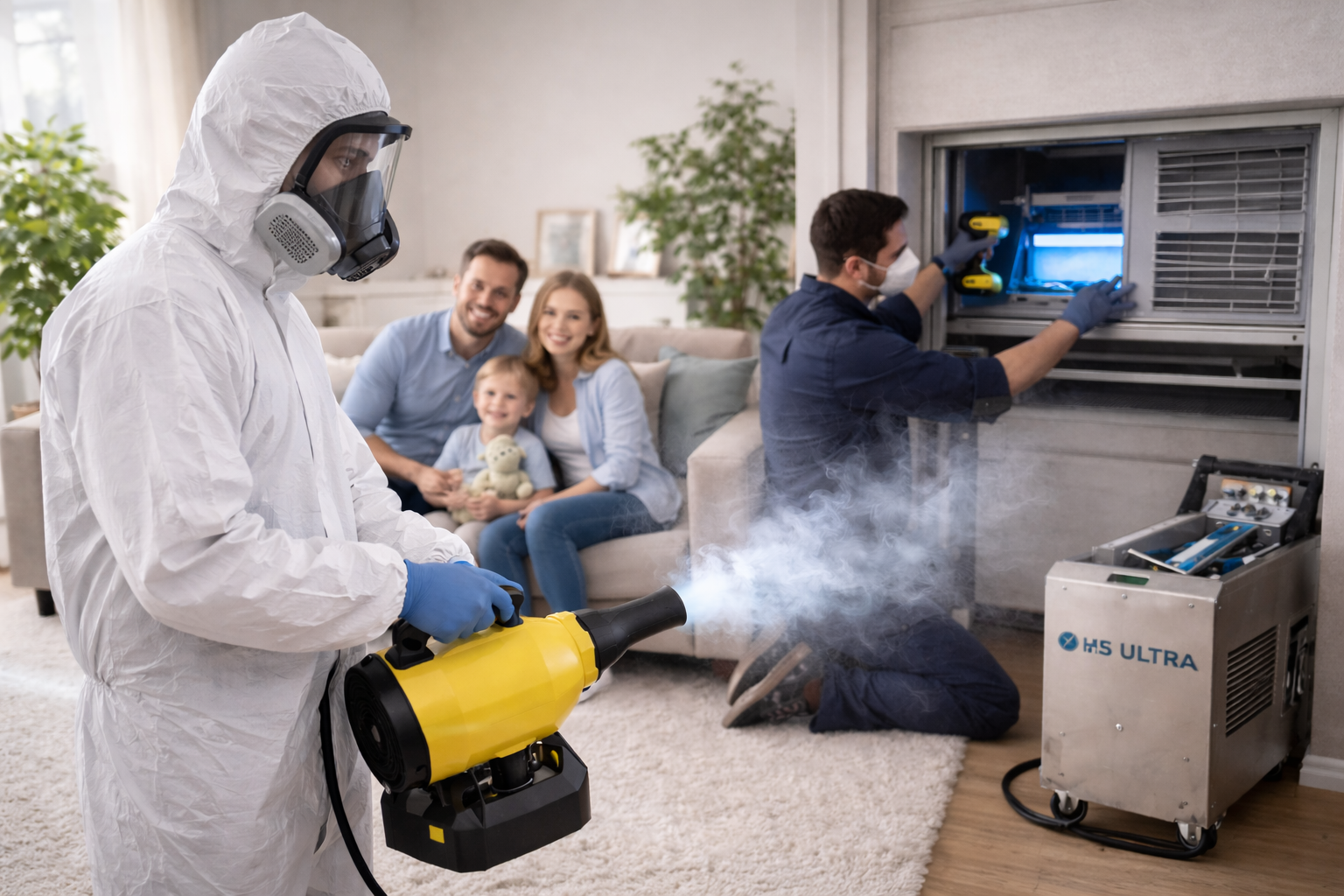
To better understand how microbial contamination travels indoors, HS Ultra’s team—led by Brent Spurling and Alex Haag—conducted a full microbial hygiene assessment inside a local healthcare facility. The clinic appeared exceptionally clean, with regular sanitation practices in place. But laboratory testing told a deeper story about what’s really happening behind the scenes.
- Exam tables: Nearly spotless. The microbial colony counts here were impressively low, showing that consistent disinfection in these areas was effective.
- Common touchpoints (like pay pads and lab countertops): Moderate microbial presence. These are high-contact surfaces that are often overlooked during daily cleanings.
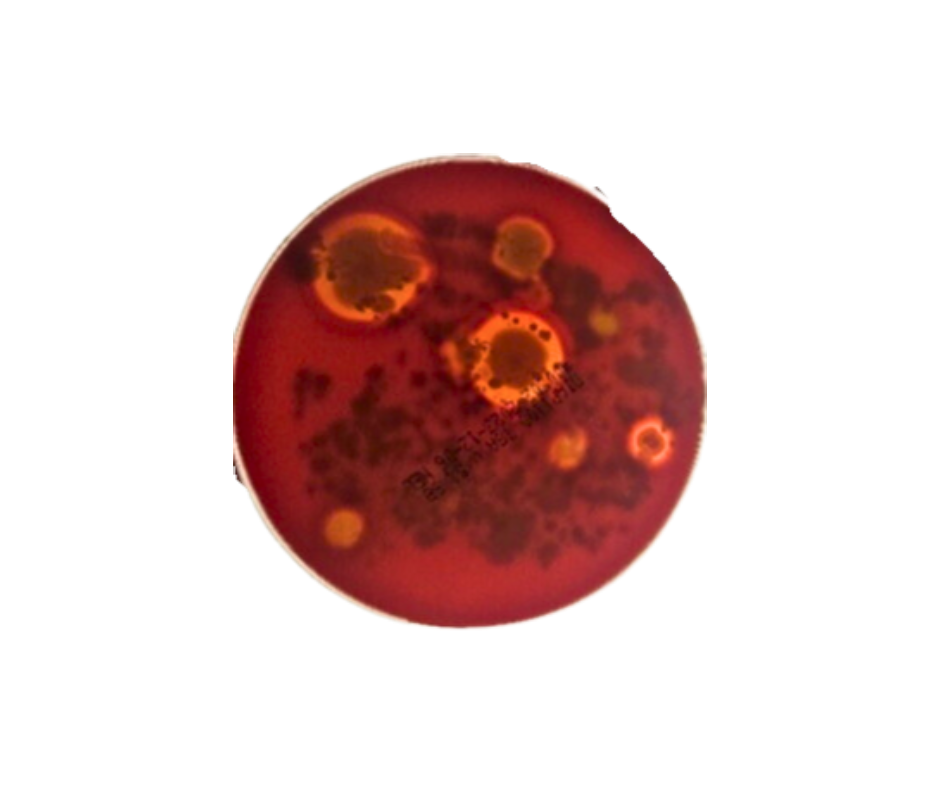
- HVAC system and furnace: The real surprise. Swab results showed a mix of bacteria and mold—including Klebsiella, a microorganism linked to fecal contamination. This contamination likely originated from the building’s past use as a veterinary clinic, meaning residues had persisted long after its original purpose had changed.
“The furnace told us everything we needed to know,” Brent explained. “It’s the lungs of the building. Whatever grows in there eventually circulates into every room.”
This finding underscores an important truth: even when surfaces are spotless, your HVAC system might be quietly spreading contaminants.
Why Your Furnace Filter Matters More Than You Think
Most people think of furnace filters as simple air purifiers that keep dust out of the system. While that’s partially true, furnace filters don’t kill bacteria—they trap it. And over time, trapped microbes can grow through the filter material itself, becoming an active source of contamination rather than a defense against it.
Brent recalls a recent case: “We opened a furnace and found a filter so overloaded that it was causing the blower motor to strain. The buildup was so thick it actually started ejecting debris into the ducts.”
This isn’t an isolated incident. Many homeowners and facility managers don’t realize how critical filter maintenance is to both air quality and system efficiency.
Here’s what HS Ultra recommends to keep your furnace working safely and effectively:
- Use a MERV 10 or equivalent filter. Known as “the baseball mitt” of air filtration, it captures fine particles without restricting airflow.
- Change furnace filters every 2–3 months. In medical offices, busy households, or buildings with pets, you may need to change them monthly.
- Schedule HVAC air quality testing every 1–2 years. Especially in older facilities, this ensures early detection of microbial buildup or ventilation issues.
- Have your HVAC system professionally cleaned and scoped. A professional inspection allows for removal of residue, mold, and biofilm that standard maintenance can’t address.
If you’ve ever wondered how often to change furnace filters, the short answer is: more often than you think. A dirty filter isn’t just bad for your energy bill—it’s a direct threat to indoor air hygiene.
The Hidden Risk in “Normal” Cleaning Practices
What HS Ultra’s case study revealed is that traditional cleaning approaches leave major gaps. Most janitorial teams focus on visible surfaces—floors, counters, windows—but airborne and system-based contaminants often go untouched.
Without HVAC hygiene as part of the cleaning plan, buildings can end up recirculating the same microbes that cleaning crews are trying to remove. Over time, this can lead to issues like:
- Worsening allergies or respiratory symptoms among occupants
- Lingering odors or “musty” smells from microbial buildup
- Cross-contamination between rooms via ductwork
- Reduced HVAC efficiency and increased energy costs
In environments like clinics, schools, and offices, these conditions can directly affect employee and patient health. Even homes aren’t immune—especially during winter, when sealed indoor environments limit fresh air exchange.
What the HS Ultra Indoor Hygiene Report Taught Us
The goal of every indoor hygiene report is to go beyond appearances and get to the science of what’s really in your environment. HS Ultra’s findings from the Wisconsin clinic highlighted several key takeaways that apply to virtually every type of property:
- Surface cleaning alone isn’t enough. True cleanliness extends to your air, ducts, and HVAC system.
- Neglected filters make air quality worse. Instead of trapping pollutants, they can start circulating them.
- Chemical-heavy cleaning products can backfire. They often irritate airways and leave residues that attract new microbial growth.
- Regular testing provides peace of mind. Microbial data tells you whether your cleaning practices are working—and where hidden risks may still exist.
HS Ultra’s scientific approach means clients receive measurable data rather than guesses. It’s not just about cleaning—it’s about verifying cleanliness.
The Value of Chemical-Free Disinfection
One of HS Ultra’s core principles is protecting health without introducing harmful chemicals into the environment. Many conventional disinfectants contain harsh compounds that can irritate eyes, skin, and lungs. Worse, when used excessively, they may contribute to antimicrobial resistance or leave residues that attract more dust and allergens.
That’s why HS Ultra specializes in chemical-free disinfection. Their systems eliminate pathogens without leaving behind chemical traces or odors, ensuring safety for employees, patients, pets, and children. This approach not only enhances hygiene but also supports a more sustainable indoor environment—one that’s better for both people and the planet.
The Bigger Picture: Rethinking Indoor Hygiene
The story of one medical clinic is really the story of thousands of buildings across the country. Most indoor spaces look clean but are rarely evaluated on a microbial level. The truth is, airborne contamination and HVAC hygiene are two of the most overlooked aspects of environmental health.
Think about it: the average person spends up to 90% of their life indoors. Yet how often do we stop to question what’s actually in that air?
HS Ultra’s hygiene testing reveals a broader pattern—indoor environments that are visually spotless but biologically active. For property owners and managers, this data-driven perspective represents the future of cleaning and facility care.
Why Routine Testing and Maintenance Matter
Airborne pathogens and microbial buildup don’t develop overnight; they accumulate gradually. A proactive approach to hygiene testing can prevent problems before they start.
Here’s what regular HVAC air quality testing and hygiene audits can help you avoid:
- Mold-related allergies and respiratory irritation
- Contaminant circulation between rooms
- Odor issues caused by hidden microbial growth
- Decreased HVAC performance and higher energy costs
- Poor employee or occupant health outcomes
For homeowners, it’s about keeping your family safe. For medical, educational, or commercial environments, it’s about compliance, comfort, and protecting everyone who walks through your doors.
Final Takeaway: Clean Air Starts at the Source
The next time you glance at your furnace filter—or can’t remember when you last changed it—consider what it might be holding. That thin layer of dust could be harboring bacteria, mold, and allergens that impact your entire indoor space.
As Alex Haag of HS Ultra puts it, “We’re your neighborhood microbiology guys.” HS Ultra’s mission is to help Wisconsin homes and businesses achieve verified cleanliness through data, testing, and sustainable cleaning methods that prioritize both safety and science.If you’ve never had your HVAC system tested or are unsure about your indoor air quality, now’s the time to act. A professional indoor hygiene report from HS Ultra gives you the clarity you need to protect your health and maintain a truly clean space.