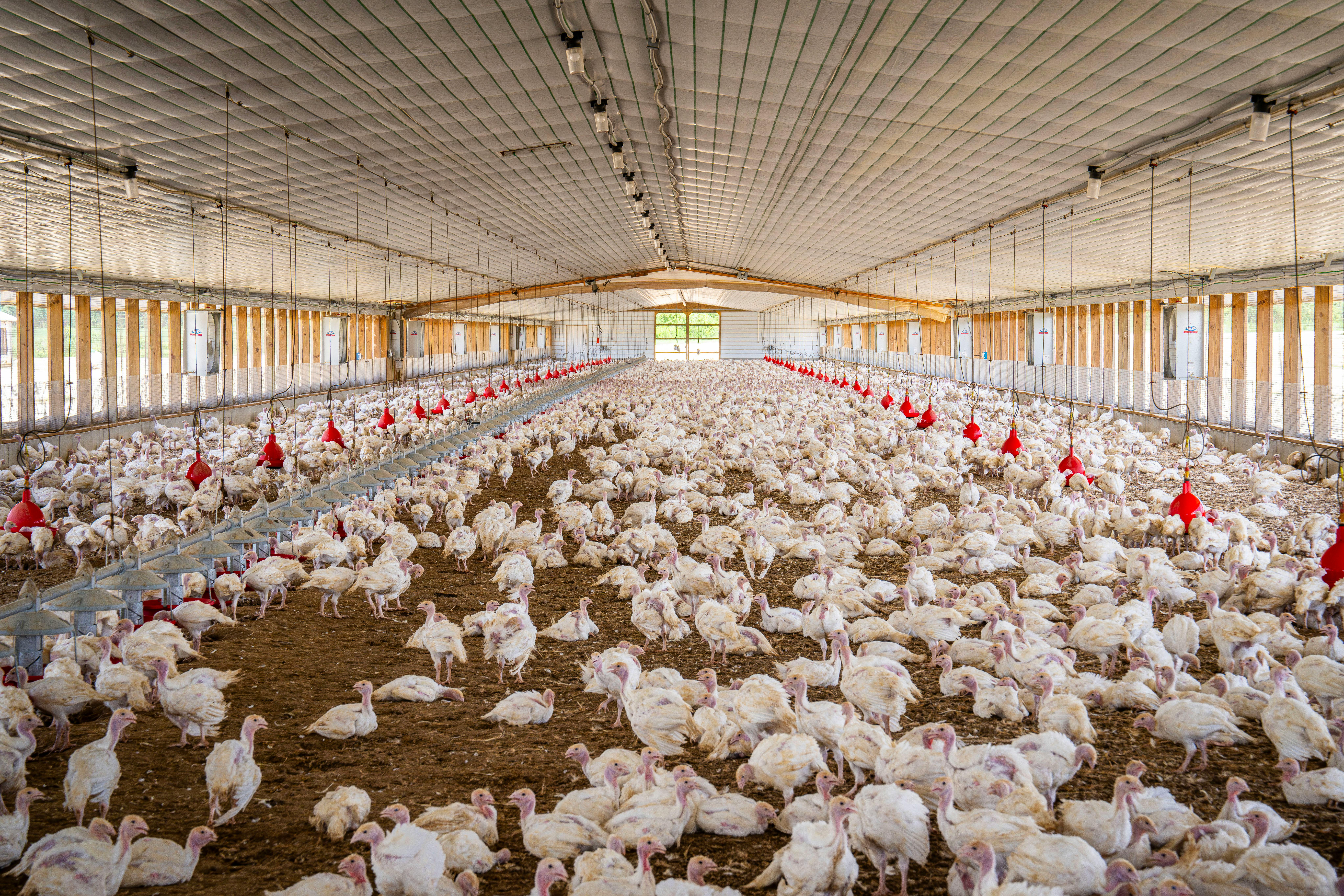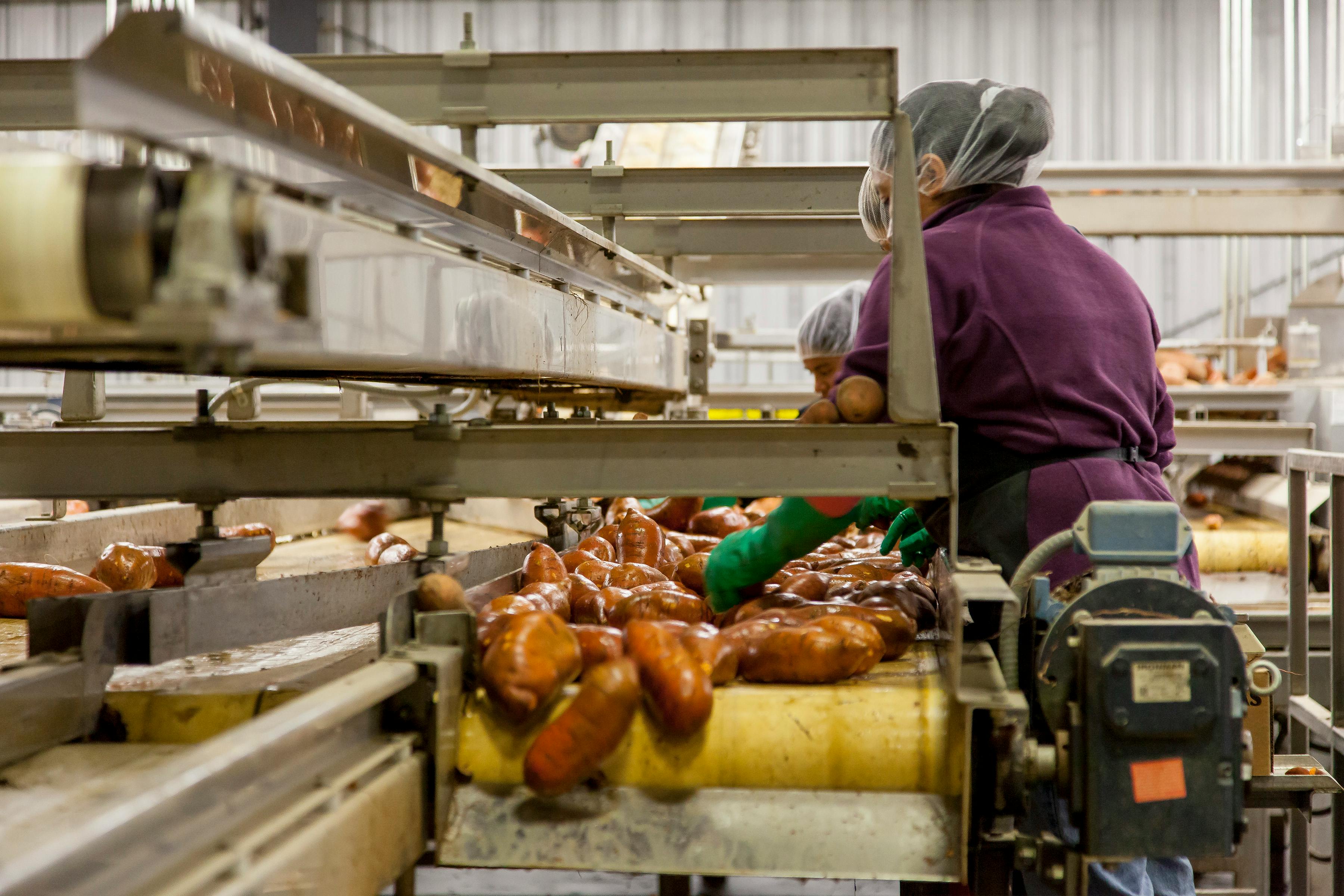
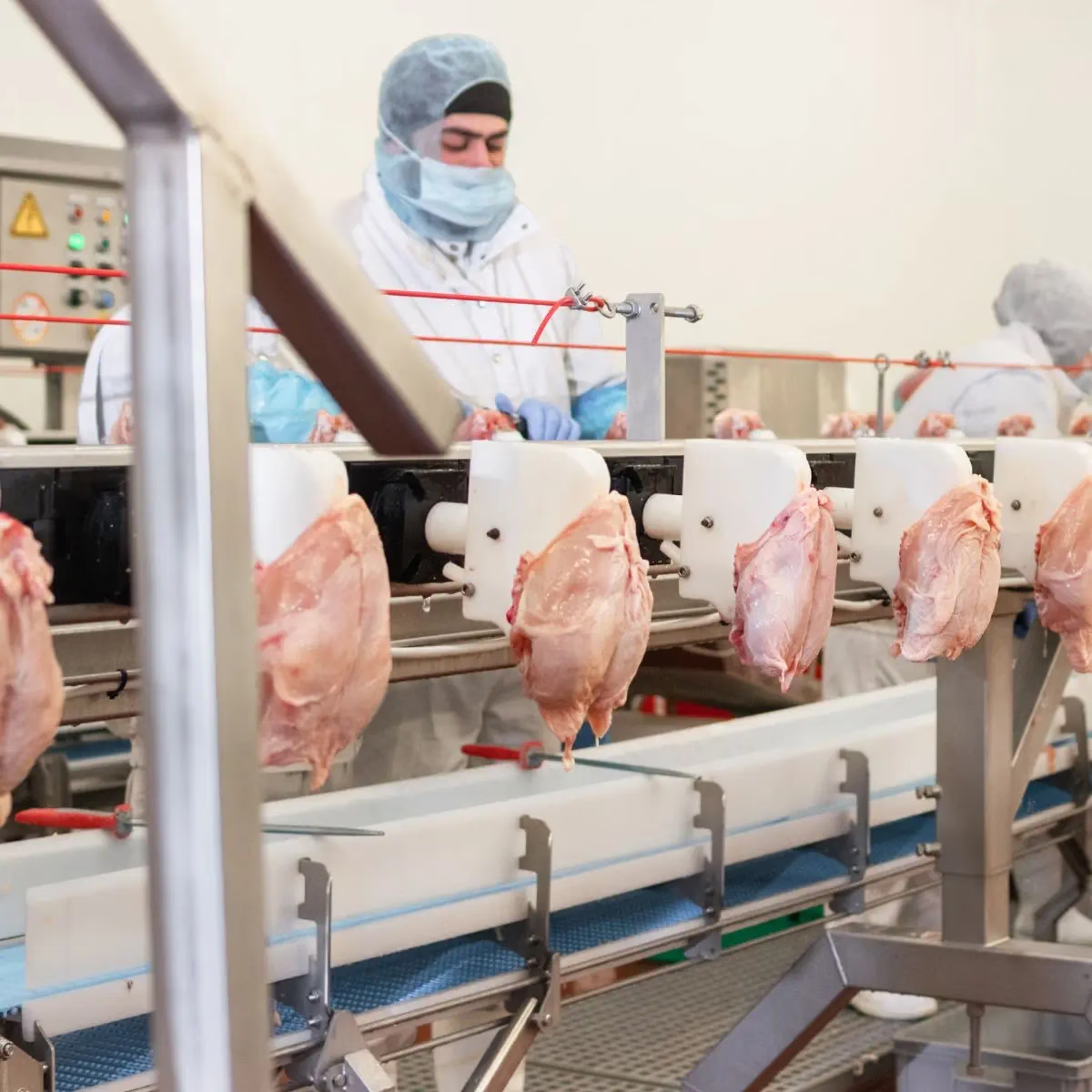
Across the food production landscape—from vegetable processors and dairy operations to poultry hatcheries—one major challenge looms large: how to meet tightening water quality standards without increasing costs or expanding infrastructure.
For years, the answer to wastewater compliance and plant sanitation was simple—add more chemicals. But that approach is now under heavy scrutiny. Regulatory bodies are setting stricter discharge standards. Customers are demanding more sustainable practices. And facility operators are watching their CAPEX and OPEX (capital and operational expenses) climb higher every year.
Enter HS Ultra. The company has been collaborating with partners across the poultry and food sectors to redefine what efficient, sustainable wastewater management looks like. Their solution? Ozone technology—a chemical-free, high-impact approach that not only reduces pollutants in wastewater but also eliminates chemical residues from in-plant sanitation.
By using ozone both inside the plant and at the wastewater stage, facilities can drastically cut their reliance on chlorine dioxide, peracetic acid (PAA), and other conventional disinfectants—all while reducing costs and infrastructure strain.
The Challenge: Stricter Regulations and Higher Capital Costs
Many food and hatchery operations are facing new wastewater discharge regulations that require lower BOD (Biochemical Oxygen Demand) and COD (Chemical Oxygen Demand) levels. To comply, facilities have traditionally expanded their treatment systems—adding larger tanks, more complex dosing equipment, and higher chemical volumes.
However, this “build bigger” model comes with serious drawbacks:
- High CAPEX for construction and equipment.
- Increased chemical OPEX due to ongoing consumption of chlorine dioxide and peracetic acid.
- Greater sludge production, which raises disposal and handling costs.
- Safety concerns related to chemical storage and worker exposure.
For many operators, the question has become clear: Is there a smarter, more cost-effective way to meet these standards?
HS Ultra’s research and field work say yes—and ozone is leading the way.
The HS Ultra Ozone Approach: A Two-Tier System
Instead of treating disinfection as a one-stage process, HS Ultra employs a two-tier ozone strategy that addresses both wastewater and in-plant cleaning requirements.
Stage 1: Ozone for Wastewater and BOD Reduction
Ozone is one of nature’s most powerful oxidizers. When applied in wastewater treatment, it rapidly breaks down organic material that contributes to high BOD and COD levels. The result is cleaner effluent, less sludge, and reduced reliance on chemical treatments.
Benefits of ozone wastewater treatment include:
- Lower chemical dependency: Ozone reduces or eliminates the need for chlorine dioxide, peracetic acid, and similar compounds.
- Decreased sludge load: With less organic material to settle, facilities spend less on disposal and handling.
- Reduced infrastructure requirements: By increasing treatment efficiency, ozone minimizes the need for larger tanks or extended retention times.
- Compliance without construction: Many plants can meet new discharge standards using their existing systems—simply enhanced by ozone integration.
Stage 2: Aqueous Ozone Inside the Plant
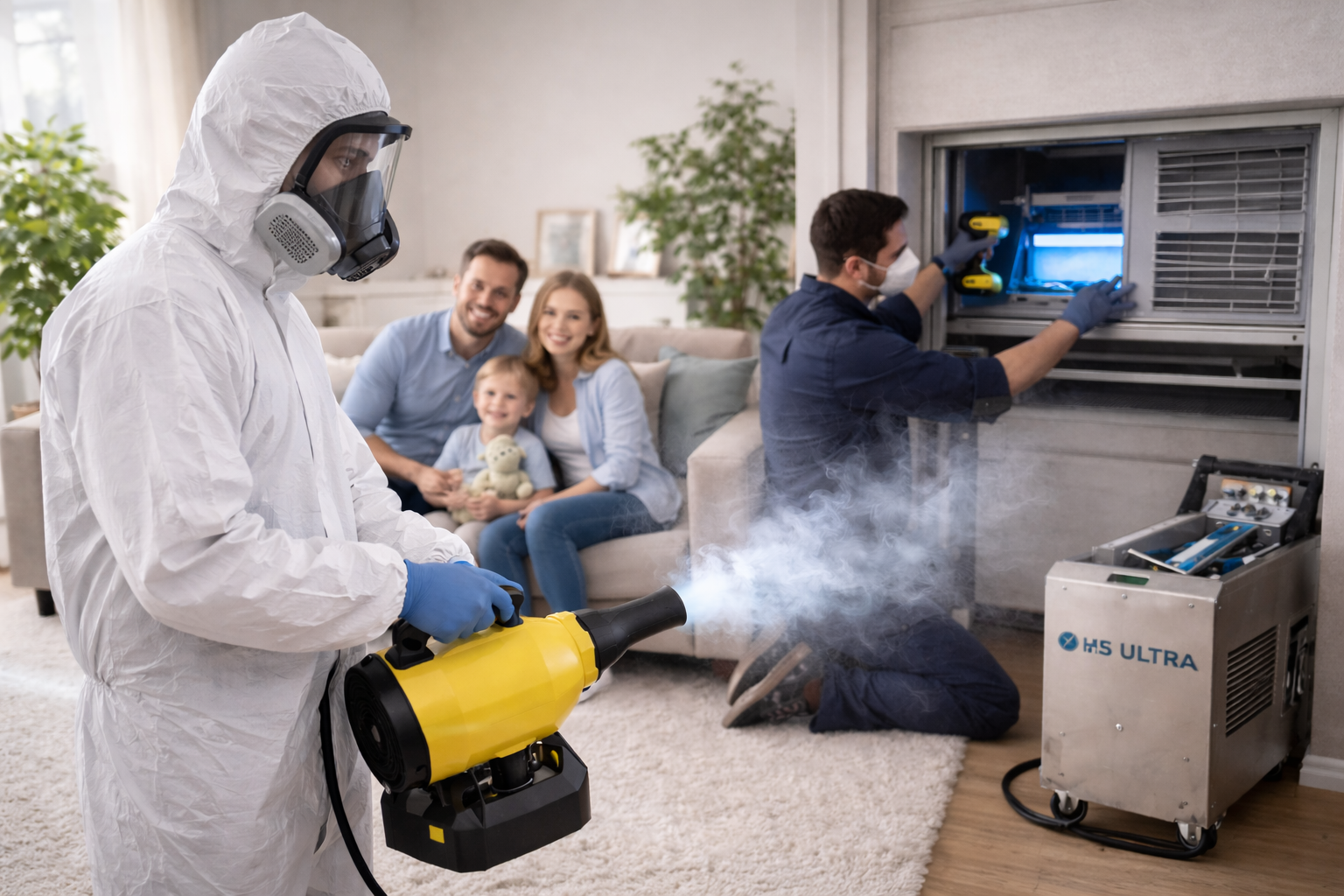
Inside the processing environment, HS Ultra’s aqueous ozone systems replace manual chemical rinses and sanitizers. These systems integrate directly into CIP (Clean-In-Place) and surface sanitizing workflows, creating a seamless, sustainable cleaning process.
Key advantages include:
- Residue-free cleaning: Ozone decomposes into oxygen and water, leaving no chemical traces.
- Improved worker safety: Eliminates exposure to corrosive acids and volatile disinfectants.
- Simplified operations: Reduces labor associated with manual chemical handling.
- Enhanced air quality: No harsh fumes or off-gassing during sanitation.
Together, these two stages create a closed-loop hygiene strategy: cleaner water entering and leaving the plant, lower chemical dependency, and stronger long-term ROI.
Why This Matters: ROI Beyond Compliance
Regulatory compliance is a given—but for food processors and hatcheries, true success lies in achieving compliance profitably. Ozone delivers measurable value that goes far beyond environmental checkboxes.
1. Chemical Savings
Reducing reliance on chlorine dioxide, peracetic acid, and other sanitizers directly lowers procurement costs and shipping expenses. Facilities save money while decreasing storage and handling risks.
2. Infrastructure Savings
Because ozone enhances biological and chemical treatment efficiency, plants can meet new discharge targets without expanding their wastewater systems. That means lower CAPEX, shorter downtime, and less long-term maintenance.
3. Operational Efficiency
Simplified cleaning protocols and automated ozone delivery systems minimize human error and labor intensity. Workers spend less time managing chemical inventories and more time maintaining productivity.
4. Environmental Stewardship
Cleaner effluent, reduced sludge, and chemical-free discharge align perfectly with EPA and local environmental regulations. Many facilities also benefit from improved sustainability reporting and stronger public perception.
As one hatchery leader explained:
“We’re not just looking to be compliant—we’re looking to be resilient.”
Lessons from the Field: Getting Ozone Right
Ozone isn’t new to wastewater management—but how it’s applied makes all the difference. Past attempts at integrating ozone in food facilities sometimes fell short due to undersized systems or poor integration.
HS Ultra’s team learned from these challenges and developed a science-driven approach to ensure each system performs at its peak.
Their process includes:
- Real-time residual monitoring to confirm ozone levels remain within effective ranges.
- Custom injection design tailored to each facility’s process flow, water load, and treatment goals.
- Independent validation that confirms results before scaling to full capacity.
By focusing on data transparency and precise dosing, HS Ultra ensures facilities don’t just adopt ozone—they succeed with it.
Flexible Adoption Models: Try Before You Commit
Recognizing that every plant operates differently, HS Ultra offers flexible implementation models that help facilities validate ozone’s performance before making major capital investments.
Options include:
- Short-term rental programs: Facilities can rent ozone units to test performance in real conditions.
- Scalable design options: Systems like HS Ultra’s 200-gram ozone units can be expanded or modified as plant loads increase.
- Structured agreements: Rental fees can be credited toward purchase if facilities choose long-term adoption.
This flexible structure gives operators confidence in both ROI and technical feasibility before permanent integration.
A Smarter Path Forward for Food and Poultry Facilities
The future of wastewater and plant sanitation isn’t about using more chemicals or building more concrete—it’s about working smarter. Ozone technology provides a bridge between sustainability, compliance, and cost control.
By embracing ozone, food processors and hatcheries can:
- Reduce CAPEX for wastewater infrastructure upgrades.
- Lower chemical exposure for workers and products.
- Streamline cleaning processes while maintaining or improving hygiene.
- Meet evolving environmental standards with minimal disruption.
HS Ultra’s expertise makes this transition seamless. Their team partners directly with facility managers to design ozone solutions tailored to specific plant operations, ensuring performance, safety, and long-term value.
The Bottom Line: Compliance That Pays
The modern food and hatchery industries can’t afford to view wastewater treatment as just another regulatory burden. It’s an opportunity for efficiency, savings, and environmental leadership.
Ozone is the rare solution that checks every box:
- It’s sustainable, breaking down into harmless oxygen and water.
- It’s efficient, reducing both chemical use and sludge volume.
- It’s scalable, fitting existing plant infrastructure.
- And it’s profitable, delivering measurable ROI from day one.
For hatcheries and food processors under growing regulatory and economic pressure, ozone represents a revolutionary alternative—a way to meet the future of water management with innovation, not expansion.
Ready to Learn More?
If your facility is exploring new ways to cut chemical use, reduce costs, or meet upcoming wastewater standards, HS Ultra is ready to help. Our team will design a custom ozone strategy—covering both wastewater and in-plant sanitation—that fits your operation and budget.