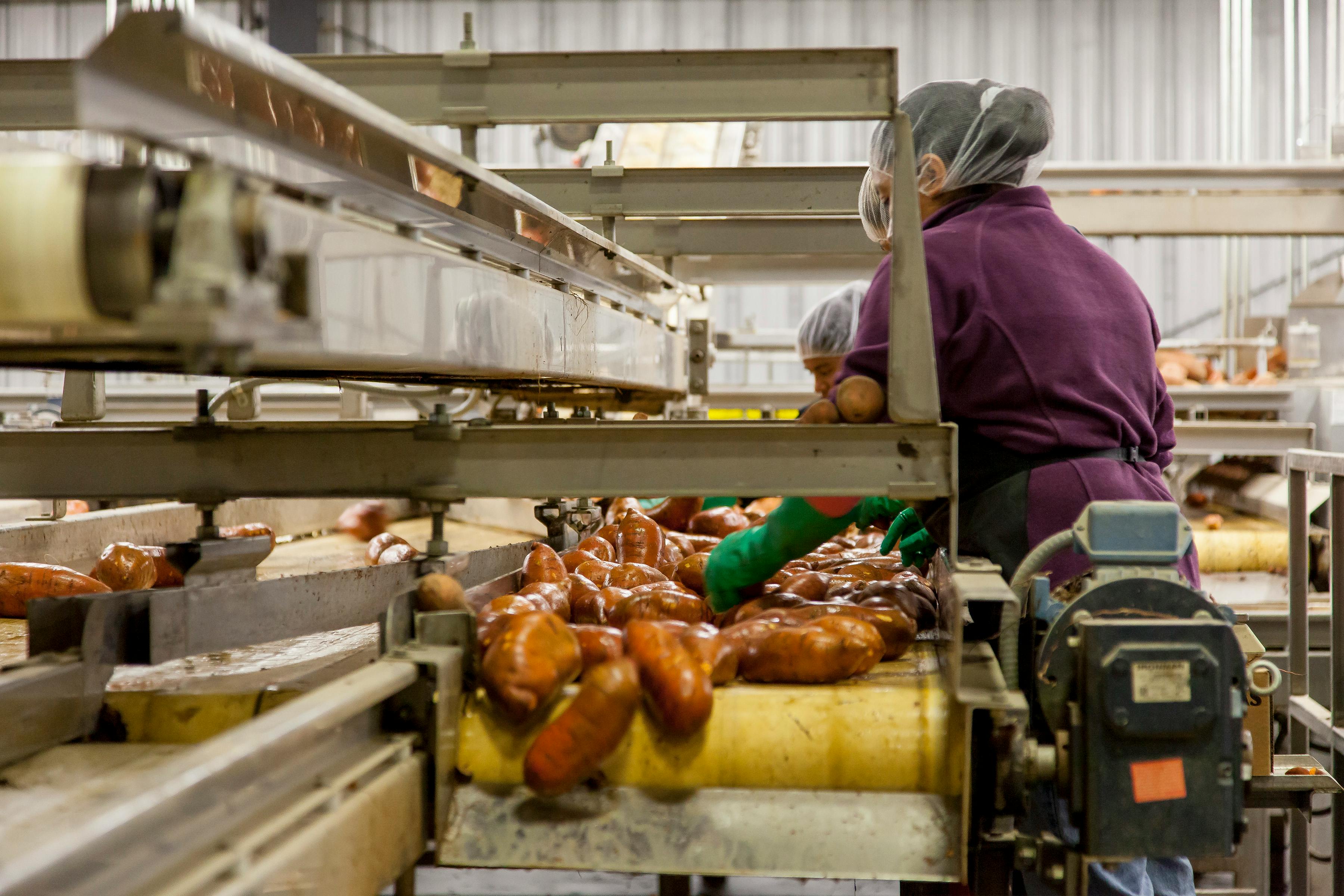

In 2024 alone, nearly 300 food products were recalled across the United States. These weren’t the result of mysterious new pathogens or obscure contaminants—they were caused by familiar, preventable threats like Listeria, Salmonella, and undeclared allergens that continue to slip through the cracks.
At the same time, countless people spent their days in commercial buildings where indoor air was 2–5 times worse than the air outside, according to EPA data. Invisible mold spores, stale air, and high humidity contributed to a growing public health issue known as Sick Building Syndrome (SBS), which the EPA estimates affects more than 30% of U.S. commercial buildings.
These issues highlight a single, sobering truth: our traditional approach to disinfection isn’t keeping up with modern challenges. We’re fighting old battles with outdated tools in an age of advanced science.
It’s time to change.
A New Standard in Disinfection
At HS Ultra, we believe the answer isn’t just more chemicals or more manpower. The future of disinfection requires a layered, data-driven approach—one that integrates new technologies like UV-C light and ozone alongside traditional methods to create cleaner, healthier spaces.
This shift isn’t coming. It’s already happening. Businesses in food processing, agriculture, healthcare, and education are beginning to rethink their strategies and embrace solutions that reduce microbial risk without contributing to chemical overuse, employee fatigue, or microbial resistance.
By the Numbers: The State of Disinfection in 2024
The urgency of this shift becomes clear when you look at the data:
- 296 U.S. food recalls in 2024
- 101 caused by undeclared allergens
- 60+ tied to Listeria in ready-to-eat foods
- 101 caused by undeclared allergens
- 30% of U.S. commercial buildings affected by Sick Building Syndrome (EPA)
- 99.9% microbial reduction demonstrated in testing with HS Ultra’s systems
- Indoor air quality is typically 2–5x worse than outdoor air
- Hybrid protocols (chemicals + UV + ozone) can reduce chemical use by up to 70%
These numbers tell two stories: the scale of the challenge and the potential of solutions already within reach.
The Next Frontier: UV and Ozone Disinfection
The critical shift begins with embracing the unique strengths of UV-C and ozone-based disinfection systems. These aren’t futuristic concepts—they’re proven technologies already working across industries to dismantle pathogens and transform environments.
What makes them unique is their ability to neutralize pathogens without leaving behind harmful residues or creating opportunities for microbial adaptation. Unlike chemicals, pathogens can’t develop resistance to UV light or ozone.
Ozone Reimagined
Far from the uncontrolled applications of the past, modern ozone disinfection is precisely deployed, integrated, and monitored for safety and efficacy. Data-backed approaches ensure that ozone is used where it works best—neutralizing airborne and surface pathogens in controlled cycles.
UV-C Technology
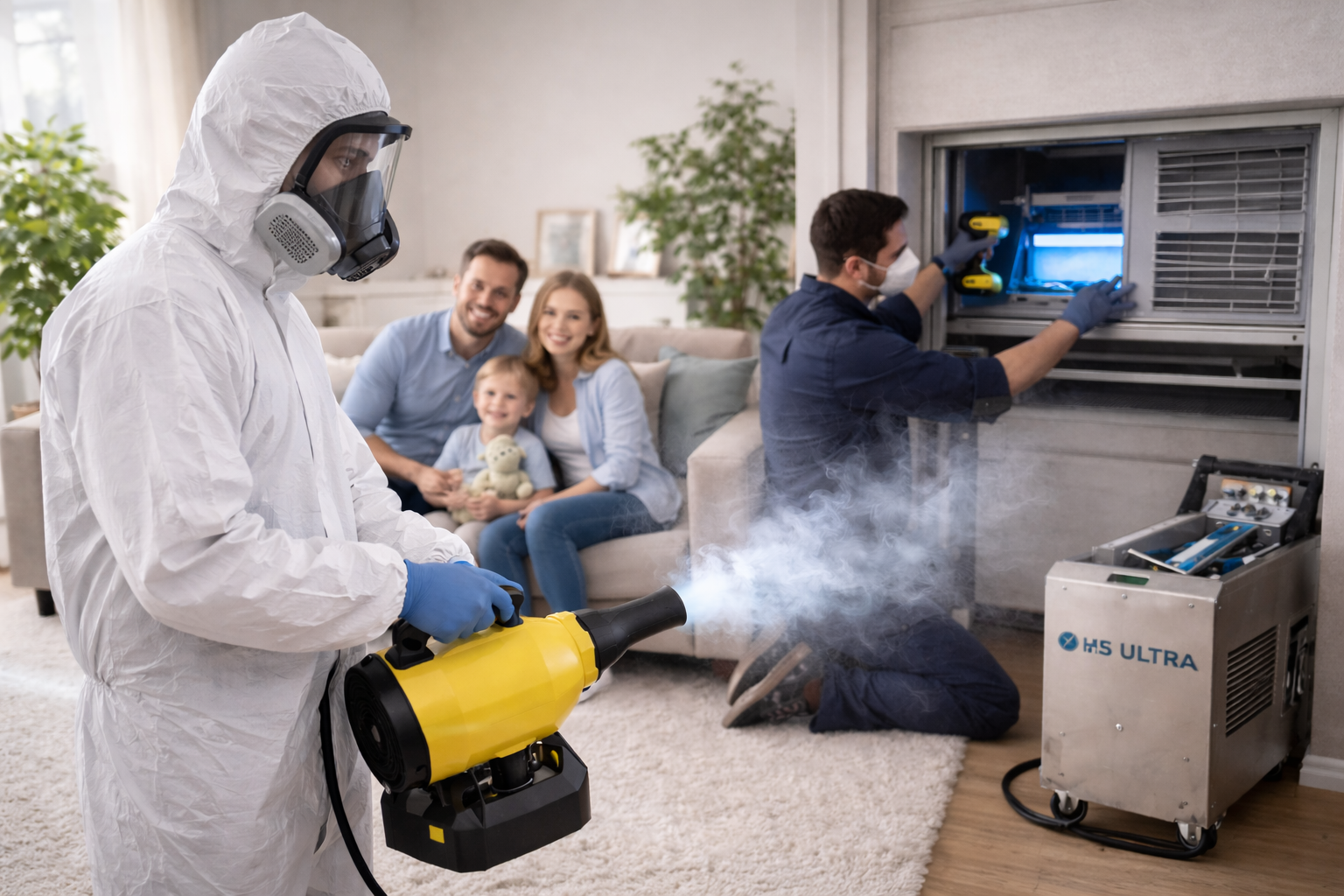
Placed strategically in HVAC systems, UV-C light targets airborne pathogens at their source. Even in facilities without HVAC infrastructure, portable or localized UV-C systems can deliver effective results, creating cleaner air and surfaces throughout commercial and industrial environments.
Verified Results
Perhaps most importantly, these systems come with proof. HS Ultra provides before-and-after microbial testing, air sampling, and system monitoring to verify reductions of up to 99.9% in airborne and surface pathogens.
Elevating the Protocol: Beyond Chemicals Alone
This shift isn’t about discarding chemicals altogether—it’s about elevating the protocol. Chemicals still have a place in disinfection, but they can no longer be the only line of defense.
Think of the future as layered:
- Traditional Methods – Manual cleaning and chemical application
- Integration Phase – Adding UV-C and ozone technologies to the workflow
- Hybrid Protocols – Data-driven combinations of methods that optimize results
- Optimized Outcomes – Up to 70% less chemical use, improved efficiency, and safer indoor environments
By integrating these technologies, facilities gain cleaner air, healthier surfaces, and reduced chemical exposure—all while protecting employees, customers, and communities.
Why This Matters: The Human Factor
Behind every disinfection strategy is a simple reality: this isn’t about compliance, it’s about people.
When we walk into a job site at HS Ultra, we don’t just think about checklists or regulations—we think about the people breathing that air, touching those surfaces, and trusting that facility to keep them safe.
Food Safety
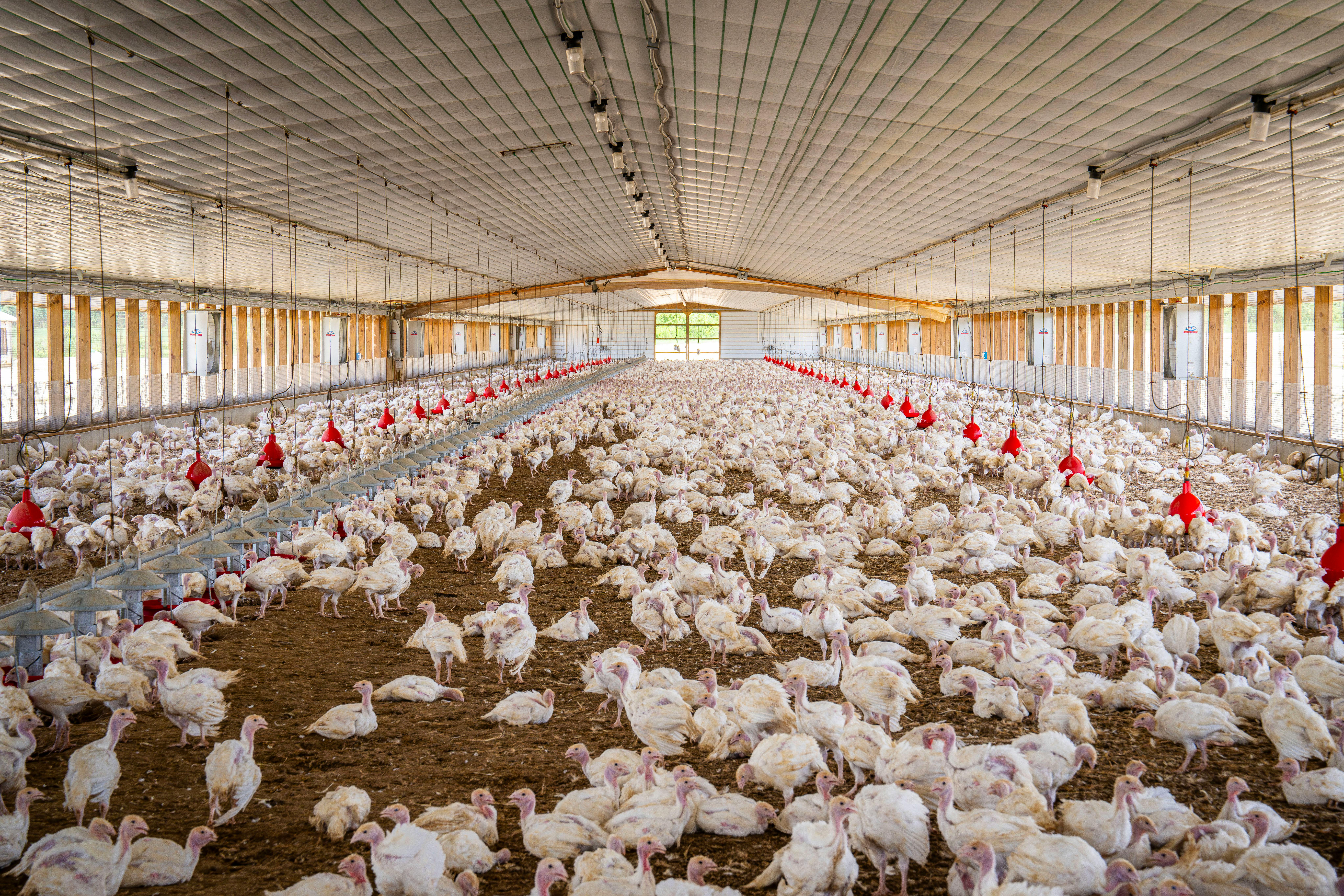
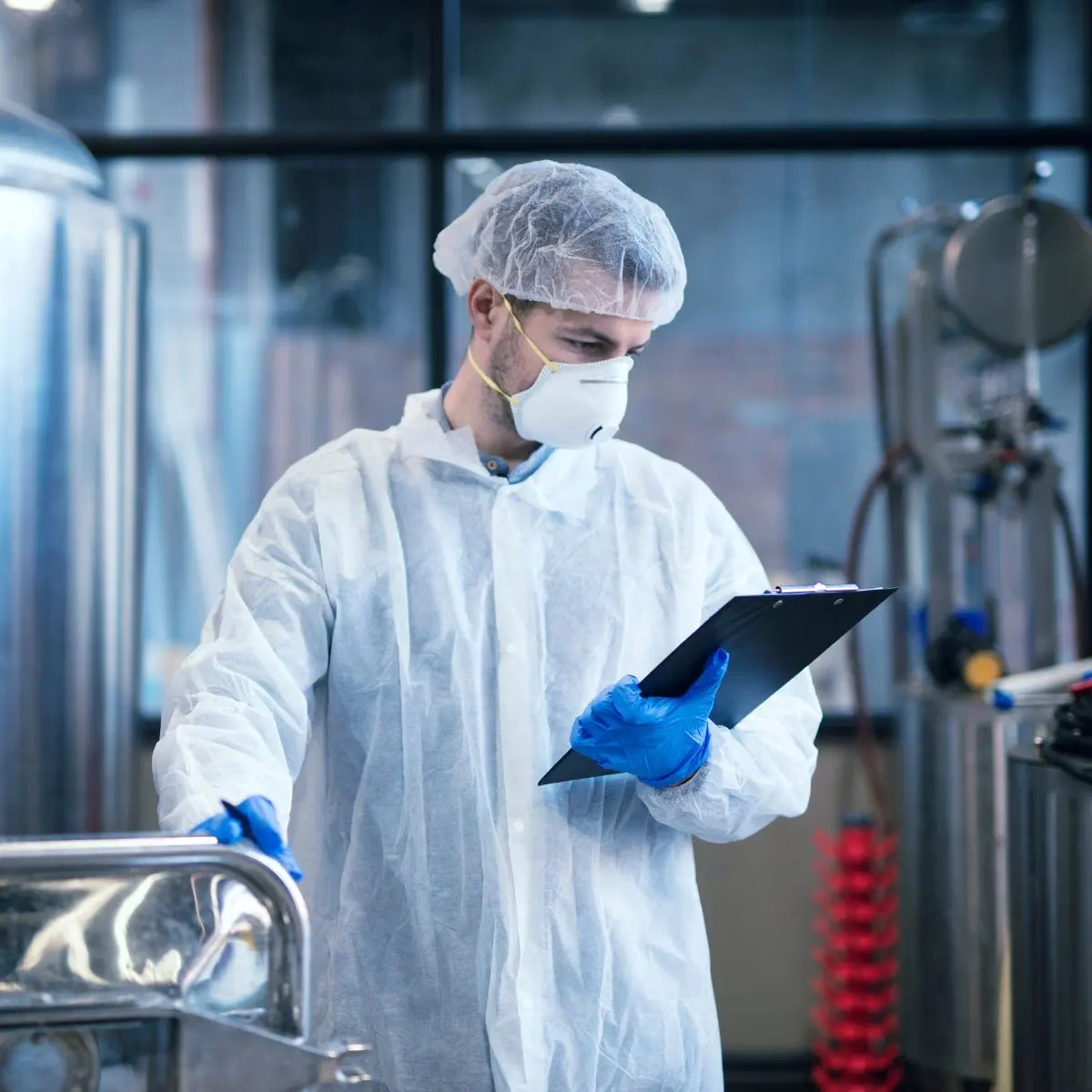
Advanced disinfection helps prevent costly recalls and protects consumers from foodborne illness. By layering UV-C, ozone, and traditional cleaning, food processing facilities can dramatically reduce the presence of pathogens like Listeria and Salmonella.
Workplace Health
Cleaner air and surfaces mean fewer sick days and higher productivity. Eliminating the underlying causes of Sick Building Syndrome creates healthier environments for employees, reducing fatigue, headaches, and respiratory irritation.
Child Safety
In schools and daycares, disinfection isn’t about compliance—it’s about protecting the youngest and most vulnerable members of our communities. With UV-C and ozone systems, facilities can reduce exposure to harmful pathogens without introducing unnecessary chemical residues.
A Better Way Forward
Disinfection should be proactive, not performative. Too often, traditional cleaning protocols create the appearance of safety without addressing the underlying risks. UV-C and ozone change that dynamic by moving sanitation from routine to revolutionary.
When designed and deployed correctly, these systems don’t just complement chemical cleaning—they elevate it. They close gaps, reduce risks, and deliver measurable results that industries can trust.
The question isn’t whether we should rethink disinfection—it’s whether we can afford not to.
About HS Ultra
At HS Ultra, we don’t just build systems—we engineer solutions. With over 70 years of combined field expertise, our team designs, installs, and maintains UV-C and ozone-based disinfection systems tailored for the food, agriculture, education, and healthcare sectors.
Our approach is built on three pillars:
- Innovative Technology – Cutting-edge UV-C and ozone systems customized to industry needs
- Expert Team – Engineers and specialists with decades of disinfection experience
- Data-Driven Verification – Real-time monitoring and microbial testing to prove effectiveness
Cross-industry, cross-application, and always backed by data—our mission is to deliver cleaner, safer, healthier environments for the people who depend on them.
Conclusion: The Call to Rethink Disinfection
The air we breathe and the surfaces we touch shape our health and safety every day. With pathogens and allergens continuing to trigger recalls, illnesses, and lost productivity, the old methods are no longer enough.
UV-C and ozone represent the next frontier in disinfection. They offer proven, residue-free, and resistance-proof solutions that elevate protocols, reduce chemical dependency, and safeguard public health.
At HS Ultra, we believe the future isn’t just about compliance—it’s about responsibility. It’s about protecting the people behind every statistic, from consumers to children to frontline workers.
And the time to act isn’t tomorrow. It’s now.